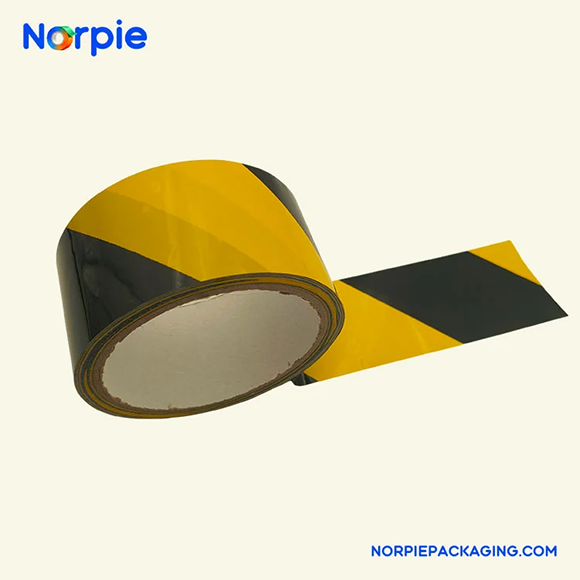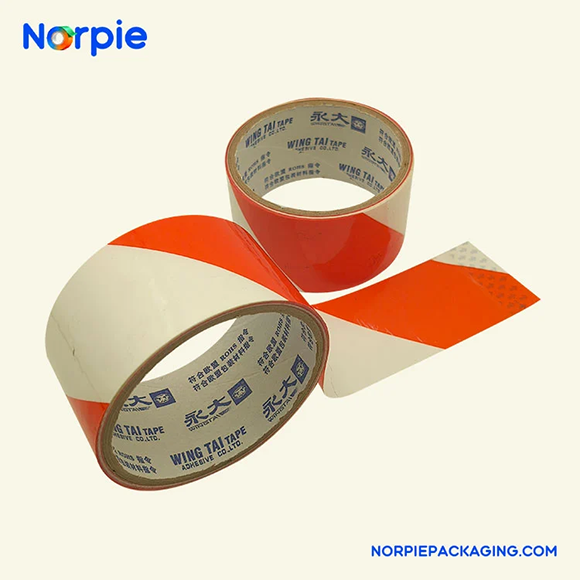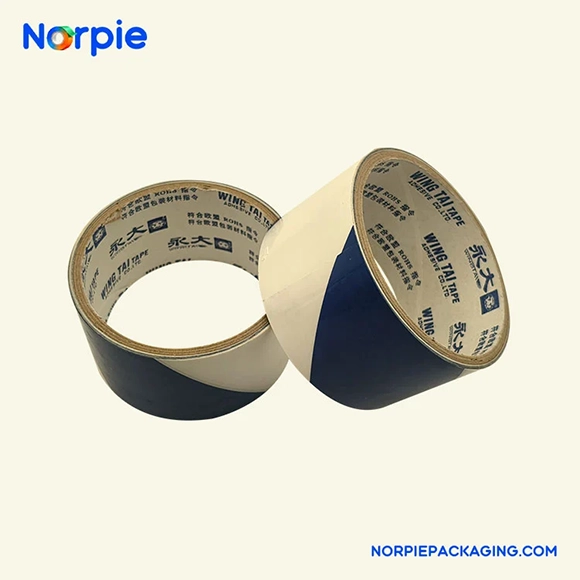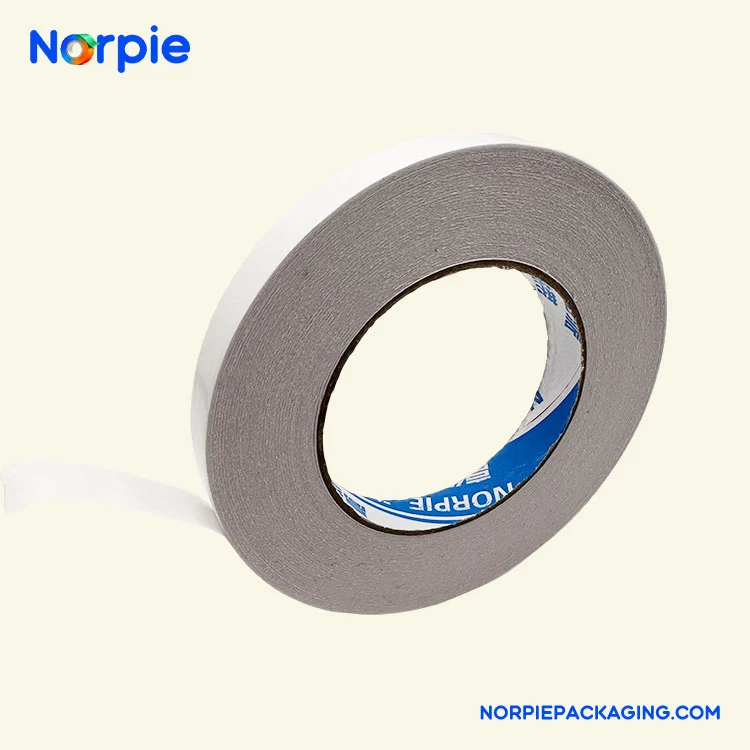
4. Public facilities: facilities that guide the flow of people and are under maintenance.
Key points
1. Surface cleaning: Ensure the surface is dry, free of oil or dust before use.
2. Temperature conditions: Generally used in environments ranging from 10°C to 40°C, as extreme temperatures may affect viscosity.
3. Adhesive method: Ensure smooth and even application to avoid wrinkles or bubbles. Apply pressure to the edges for enhanced adhesion.
4. Replacement cycle: Depending on the usage environment, it is generally recommended to inspect and replace every 1-3 months for outdoor applications, while indoor applications may require adjustments based on wear and tear conditions.
5. Removal method: Slowly and parallelly peel off the residue, and the remaining adhesive stain can be treated with a dedicated cleaning agent.
Select suggestion
1. For indoor leveling, standard PVC tape is recommended.
2. For outdoor or rough ground, it is recommended to use thick and wear-resistant material.
3. For nighttime recognition, reflective or fluorescent styles are recommended.
4. The tape's tolerance must be verified in special environments (e.g., oil-contaminated or humid conditions).
Matters need attention
· Warning tape is an auxiliary marking and cannot replace necessary physical protective measures.
· Read the product instructions before use to confirm the applicable surface and environment.
· The posting position should be conspicuous and not hinder normal operation and passage.
· The tape itself does not have special properties such as insulation or load-bearing, and should be selected according to its actual function.
The correct selection and use of warning tape, which helps to clarify the function of the area and indicate potential risks, is a common auxiliary management tool in the workplace.
We use cookies to offer you a better browsing experience, analyze site traffic and personalize content. By using this site, you agree to our use of cookies.
Privacy Policy