News

How to Prevent Common Issues When Using Packaging Rolls in Industrial Applications?

2026-01-12 0 Leave me a message

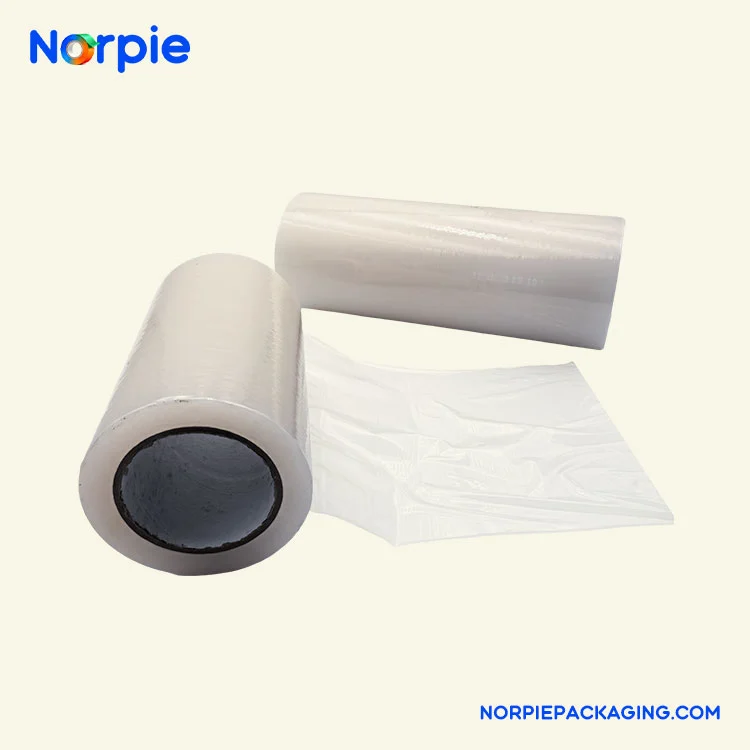
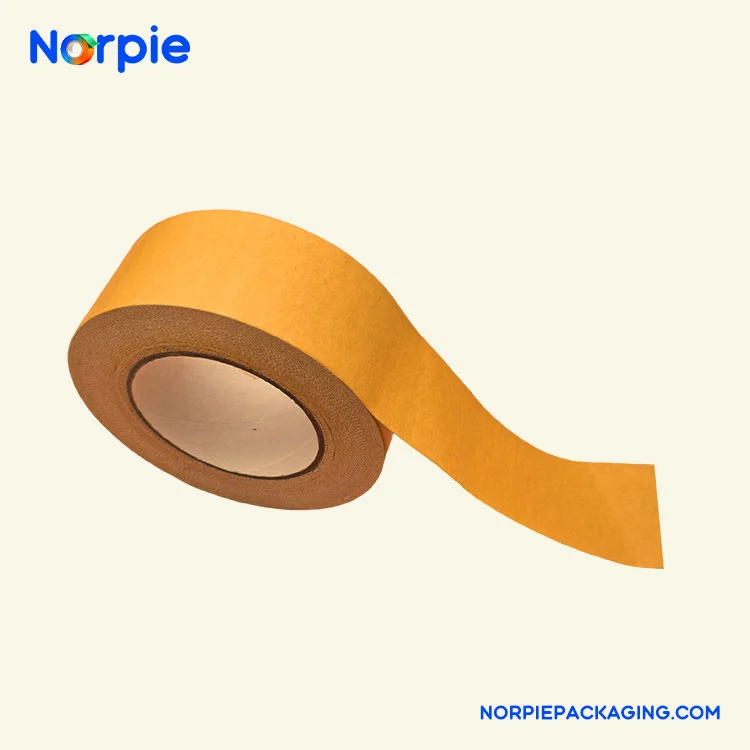
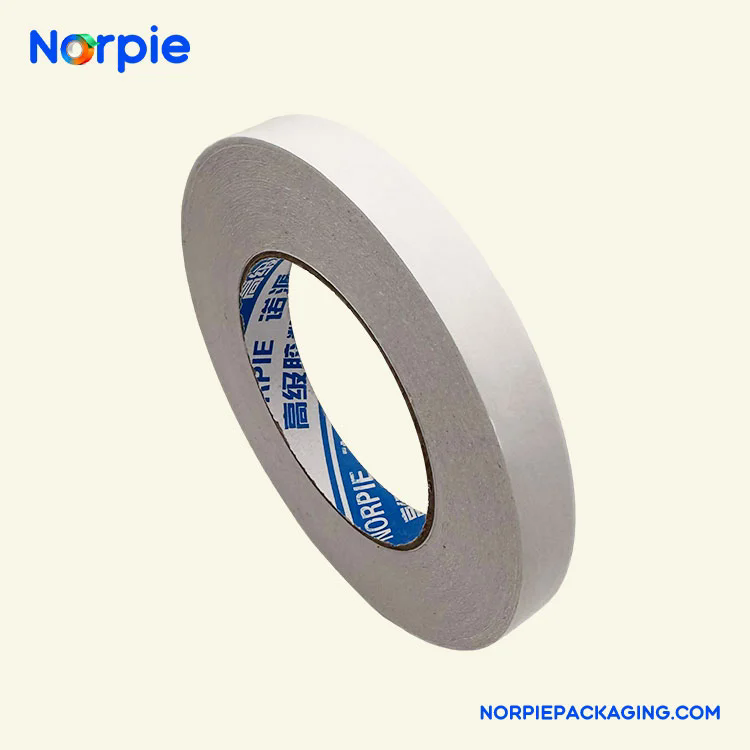
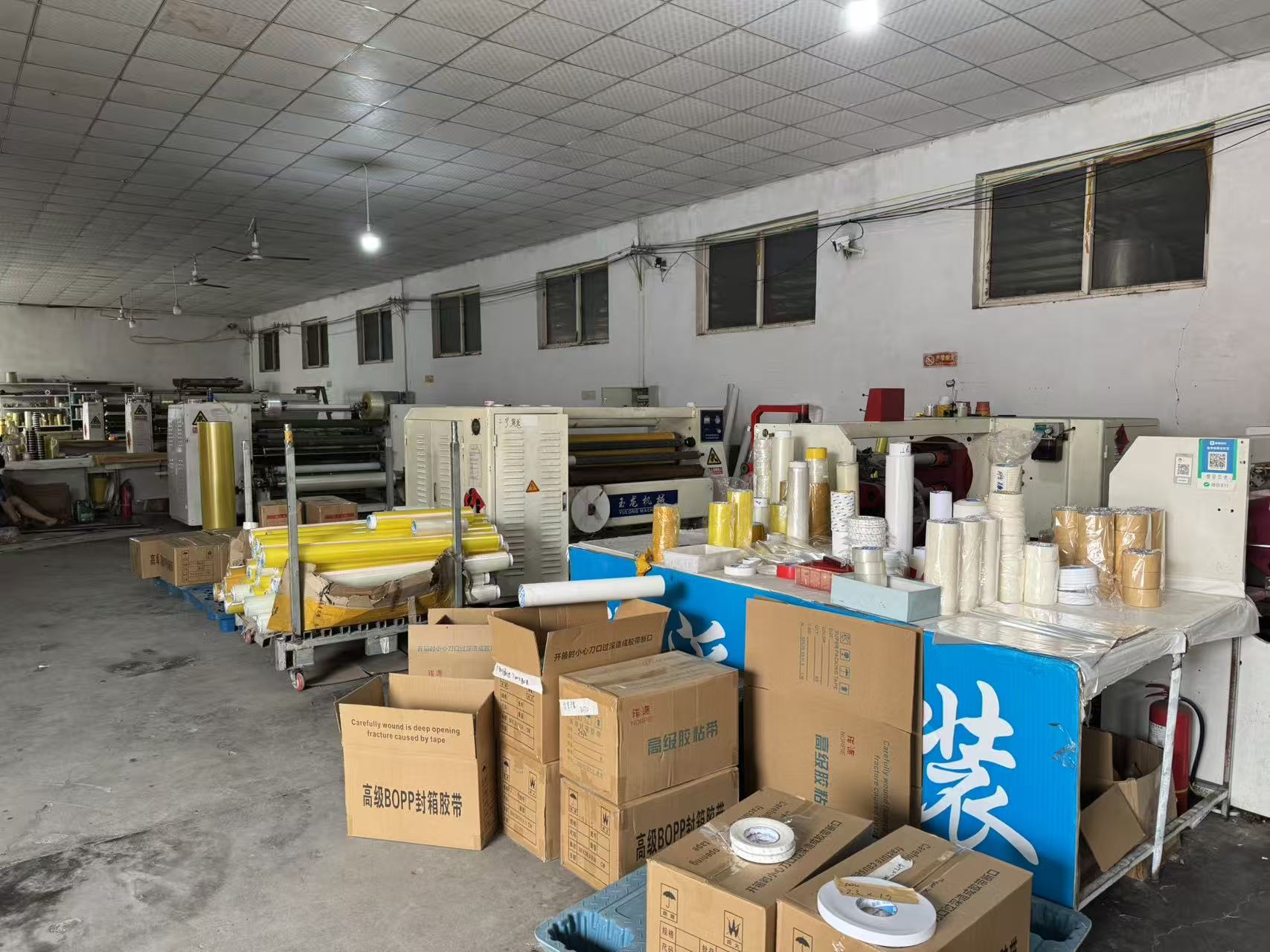
Industrial packaging is a critical part of modern manufacturing and logistics. Our Packaging Rolls play a key role in ensuring that products are securely packaged, transported, and stored. However, improper handling and usage can lead to common issues such as tearing, misalignment, and adhesive failure. At Qingdao Norpie Packaging Co., Ltd., our factory has been producing high-quality Packaging Rolls for years, and we focus on providing reliable solutions that prevent these issues and improve overall efficiency.


products


Table of Contents


Why Should You Choose High-Quality Packaging Rolls?

In industrial applications, the choice of packaging materials directly impacts operational efficiency, product safety, and overall cost management. Choosing high-quality Packaging Rolls is not just a matter of preference but a strategic decision that can save significant time, reduce waste, and ensure consistent performance in daily production. At Qingdao Norpie Packaging Co., Ltd., our Packaging Rolls are designed to meet the demanding needs of modern manufacturing, providing reliability, durability, and exceptional performance.


Enhanced Durability and Strength

One of the primary reasons to choose our high-quality Packaging Rolls is their superior durability and strength. Industrial packaging often involves heavy-duty tasks, including wrapping large items, securing pallets, and protecting sensitive products during transport. Our rolls are manufactured using premium BOPP films, which are renowned for their high tensile strength and resistance to tearing. This ensures that even under high tension or prolonged use, the film remains intact, reducing the risk of operational interruptions.


Moreover, the enhanced strength of our rolls allows them to withstand mechanical stress during automated packaging processes. This means that our customers experience fewer roll breaks, which translates into less downtime, reduced waste, and smoother packaging operations.


Consistent Thickness for Reliable Performance

In industrial packaging, uniformity is key. Variations in film thickness can cause problems such as uneven wrapping, misalignment, and inconsistent adhesion. Our Packaging Rolls are produced with precise control over thickness, ensuring consistent performance across every roll. This consistency is particularly important for automated packaging lines, where even slight deviations can lead to machine jams or product damage.


Our factory maintains strict quality control standards, measuring thickness and tensile strength for each roll. This rigorous process guarantees that our rolls perform reliably in every industrial application, whether for large-scale manufacturing or smaller packaging operations.


Superior Adhesive Properties

Adhesive performance is another critical factor when selecting Packaging Rolls. Poor adhesion can result in packages that come undone during transport, leading to product damage and potential financial loss. Our Packaging Rolls feature a specially formulated adhesive layer designed to maintain strong bonding even under varying temperature and humidity conditions. This ensures that packages remain secure throughout the logistics chain.


By using our high-adhesion rolls, our customers can avoid frequent rework, minimize packaging errors, and enhance overall productivity. Our rolls provide consistent and reliable adhesion, which is essential for high-volume industrial packaging operations.


Resistance to Environmental Factors

Industrial environments can be challenging, with temperature fluctuations, humidity, and exposure to dust or chemicals. Our Packaging Rolls are engineered to resist these environmental factors, maintaining their integrity and performance over time. This resistance prevents common issues such as film weakening, adhesive failure, or contamination, which are often observed with lower-quality rolls.


Our customers benefit from packaging materials that remain stable and reliable even in harsh conditions. This resilience reduces operational risks and ensures that products reach their destination in perfect condition.


Compatibility with Diverse Packaging Equipment

Modern industrial packaging lines utilize a variety of machines, from manual wrapping stations to fully automated palletizing systems. Our Packaging Rolls are designed to be compatible with a wide range of equipment, ensuring smooth integration into existing production workflows. This compatibility reduces the need for frequent adjustments or machine modifications, saving time and labor costs.


Whether our customers are using stretch film machines, hand-held dispensers, or high-speed automated systems, our Packaging Rolls deliver consistent performance, making them a versatile and reliable choice for any industrial setting.


Comprehensive Product Specifications

To provide clarity and transparency, we offer detailed specifications for each type of Packaging Roll. This allows our customers to select the most suitable roll for their specific industrial needs. Below is an overview of our core products:


Product Type Core Diameter Width Length per Roll Material Color
Standard Industrial 3 inches 500 mm 1000 m BOPP Film Transparent
Heavy Duty 3 inches 600 mm 1200 m BOPP Film Clear
Eco-Friendly 3 inches 500 mm 1000 m Recyclable Film Transparent

Our Factory Commitment

At Qingdao Norpie Packaging Co., Ltd., our factory takes pride in producing Packaging Rolls that adhere to the highest quality standards. Our commitment includes:

  • Using premium raw materials to ensure durability and performance.
  • Implementing strict quality control processes to guarantee consistency.
  • Providing technical support and guidance for optimal roll usage.
  • Regularly updating product designs to meet evolving industrial demands.
  • Maintaining a controlled production environment to prevent contamination or defects.


By choosing our Packaging Rolls, our customers are investing in materials that not only meet but exceed industrial requirements. The combination of high strength, uniformity, superior adhesion, environmental resistance, and machine compatibility makes our rolls the ideal choice for reliable and efficient packaging operations.


In conclusion, selecting high-quality Packaging Rolls from Qingdao Norpie Packaging Co., Ltd. ensures operational reliability, minimizes waste, and maximizes productivity. Our rolls are engineered to handle the challenges of industrial packaging, providing our customers with the confidence that their products are securely protected at every stage of production and transport. Investing in our Packaging Rolls means investing in efficiency, consistency, and long-term cost savings.


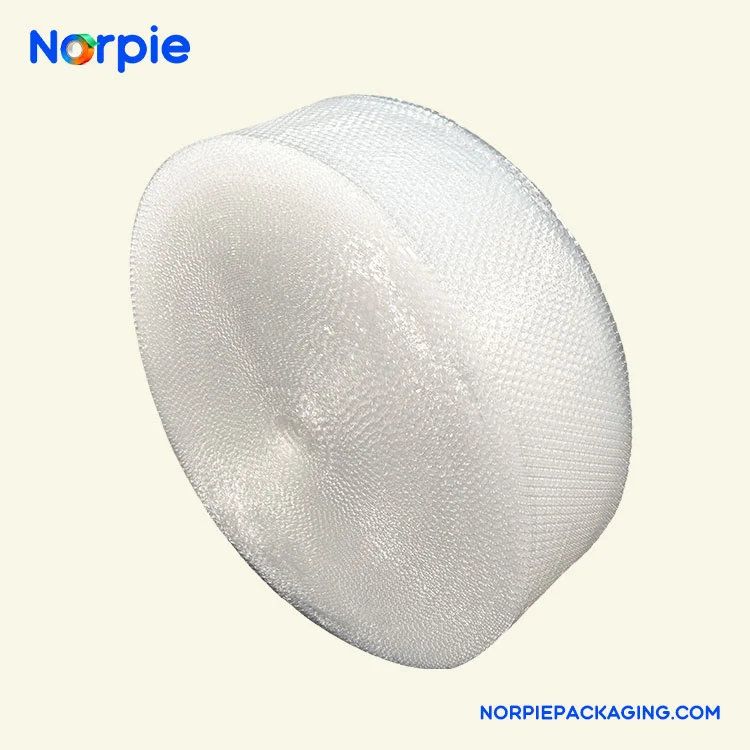
bubble wrap film


How to Handle Packaging Rolls Correctly in Industrial Applications?

Proper handling of Packaging Rolls is one of the most critical factors in ensuring smooth, efficient, and reliable industrial operations. Incorrect handling can lead to a range of issues, including film tearing, misalignment, adhesive problems, and even machine downtime. At Qingdao Norpie Packaging Co., Ltd., our factory emphasizes standardized handling procedures to help our customers maximize the performance and lifespan of our Packaging Rolls. By following our recommended practices, industrial operations can achieve consistent efficiency and reduce operational costs significantly.


Importance of Proper Handling

Packaging Rolls are designed to withstand rigorous industrial usage, but improper handling can compromise their performance. Rolls that are dropped, stored incorrectly, or mishandled during installation may experience structural damage, resulting in uneven tension, wrinkling, or film breakage. These issues not only affect the packaging quality but also increase the risk of product damage and operational downtime. By handling our Packaging Rolls correctly, our customers ensure that each roll functions as intended, maintaining smooth operation throughout the packaging process.


Storage Guidelines for Packaging Rolls

Proper storage is essential for maintaining the integrity and performance of Packaging Rolls. At our factory, we provide clear instructions to our clients regarding optimal storage conditions:

  • Temperature Control: Store rolls in a stable, cool environment, ideally between 15-25°C, to prevent film deformation and adhesive degradation.
  • Humidity Management: Keep rolls in low-humidity environments, ideally below 60%, to avoid moisture absorption that could weaken the film and reduce adhesion.
  • Protection from Direct Sunlight: UV exposure can deteriorate the film, affecting tensile strength and clarity. Rolls should be stored in shaded areas or inside protective packaging.
  • Clean Storage Environment: Avoid dust and debris, which can contaminate the adhesive surface and interfere with proper film application.
  • Vertical or Horizontal Storage: Depending on roll size, store rolls horizontally on racks or vertically with proper support to prevent deformation.


Following these storage practices ensures that our Packaging Rolls remain in optimal condition until they are ready for use.

Safe Handling Procedures During Transport

Transporting rolls from storage to packaging lines requires careful handling to avoid physical damage. Our factory recommends the following procedures:

  • Use mechanical lifting tools, such as forklifts, pallet jacks, or roll handlers, especially for heavy or large-diameter rolls.
  • Avoid dragging rolls across the floor, which can cause scratches, dents, or uneven edges.
  • Keep rolls upright and secure during transport to prevent rolling, falling, or collision with other materials.
  • Label rolls clearly to identify the type, size, and intended usage, ensuring proper rotation and minimizing confusion on the production line.
  • Train operators to handle rolls gently, avoiding abrupt movements that could compromise film integrity.


By following these transport guidelines, our customers reduce the risk of physical damage and ensure the rolls are ready for immediate use in packaging applications.


Proper Installation on Packaging Equipment

The installation process is critical for preventing operational problems. Our Packaging Rolls are designed for compatibility with a wide range of industrial packaging machines, but correct installation is essential:

  • Inspect Rolls Before Use: Check each roll for edge uniformity, surface defects, or signs of contamination before loading.
  • Align Rolls Properly: Ensure the roll is centered and aligned with the feed direction of the machine to avoid misfeeds and uneven tension.
  • Adjust Tension Settings: Calibrate machine tension to match the roll type and material strength. Excessive tension can cause tearing, while insufficient tension may result in loose wrapping.
  • Check Adhesion Performance: Confirm that adhesive rolls are correctly oriented and that the sticky surface is ready to engage with the package without residue issues.
  • Secure Core and End Caps: Ensure the roll is securely fixed in the machine, preventing slippage or misalignment during high-speed operation.


By adhering to these installation practices, our customers maximize the performance of our Packaging Rolls, preventing common issues such as machine jams, uneven wrapping, and film breakage.


Handling During Production

During packaging operations, continuous monitoring and careful handling of rolls can prevent downtime and reduce waste. Our factory recommends the following operational practices:

  • Regularly monitor the film for tension consistency and smooth unwinding during operation.
  • Avoid sudden stops or starts on automated machines, which can stress the film and cause tearing.
  • Replace rolls before they are completely depleted to prevent the final layers from causing misalignment or adhesive failure.
  • Use gloves or clean tools to handle rolls during operation, preventing contamination from dirt, oil, or moisture.
  • Document and track roll usage, ensuring proper inventory rotation and efficient workflow.


By managing rolls carefully throughout the production process, our customers reduce packaging errors, improve efficiency, and extend the effective life of our Packaging Rolls.


Training and Standard Operating Procedures

One of the most effective ways to ensure correct handling is operator training. At Qingdao Norpie Packaging Co., Ltd., our factory emphasizes educating clients and staff on standardized procedures:

  • Provide detailed instructions on roll storage, transport, and installation.
  • Conduct hands-on training sessions for machine operators on proper tension adjustment, alignment, and handling techniques.
  • Develop clear visual guides for identifying roll types, sizes, and material specifications.
  • Implement checklists for roll inspection, installation, and maintenance to minimize human error.
  • Encourage feedback from operators to continuously improve handling processes and prevent recurring issues.


Training ensures that our Packaging Rolls are used to their full potential and that all team members are aligned with best practices, leading to consistent, high-quality results across the production line.


Advantages of Correct Handling

By handling Packaging Rolls correctly, our customers achieve multiple benefits:

  • Reduced risk of tearing, misalignment, and adhesive failure.
  • Improved efficiency and reduced production downtime.
  • Longer roll lifespan, providing better cost-effectiveness.
  • Consistent packaging quality for better product presentation and protection.
  • Enhanced safety for staff by minimizing roll-related accidents or mishandling injuries.


Proper handling of our Packaging Rolls is essential for ensuring smooth industrial operations. Qingdao Norpie Packaging Co., Ltd. provides not only high-quality rolls but also the guidance and support necessary to maintain consistent performance. By following our storage, transport, installation, and operational best practices, our customers can fully realize the benefits of our Packaging Rolls, achieving reliable, efficient, and safe packaging processes.


In conclusion, adopting standardized handling practices is as important as selecting premium Packaging Rolls. Our factory emphasizes comprehensive handling guidelines, operator training, and real-world application support to ensure our rolls perform flawlessly in every industrial scenario. By investing in proper handling, our customers maximize productivity, reduce waste, and maintain the integrity of their packaging operations.


What Are the Common Issues and Their Solutions?

Even with high-quality Packaging Rolls from Qingdao Norpie Packaging Co., Ltd., industrial applications can face a range of challenges if proper precautions are not taken. Understanding the common issues that occur during packaging operations, along with practical solutions, is critical for maintaining efficiency, reducing waste, and ensuring product safety. Our factory has extensive experience in industrial packaging, and we have compiled comprehensive guidelines to help our customers prevent and resolve these issues effectively.

Tearing or Film Breakage

Tearing and film breakage are among the most frequent problems encountered during industrial packaging. This can occur due to excessive tension, sharp edges on machinery, or inferior-quality materials. Even minor tears can lead to product exposure, reduced load stability, and machine downtime.

  • Causes: Excessive tension on the film, sharp edges on pallets or products, uneven roll edges, or environmental factors such as extreme heat.
  • Solutions: Our Packaging Rolls are manufactured with high tensile strength, capable of withstanding industrial demands. Ensure that machine tension is correctly adjusted according to the roll type. Inspect edges of pallets and products before wrapping, and use protective layers if necessary. Regularly check the roll for any defects before installation to minimize risks.
  • Benefits: Following these practices prevents costly downtime, reduces film waste, and ensures that products remain securely wrapped throughout transport.


Adhesive Failure

Adhesive failure occurs when the sticky surface of the Packaging Roll does not bond effectively with the package or pallet. This problem can compromise the integrity of the packaging, potentially leading to product damage or accidents during handling and transport.

  • Causes: High humidity, exposure to moisture, low-quality adhesive, or contaminated surfaces.
  • Solutions: Store rolls in a controlled environment with low humidity and moderate temperature. Our rolls feature specially formulated adhesive layers that provide consistent performance even under challenging conditions. Ensure the surfaces being wrapped are clean and free from dust, oil, or moisture before application.
  • Benefits: Proper adhesion reduces the likelihood of packages unraveling, maintains product security, and enhances overall operational efficiency.


Machine Jams

Machine jams are another common issue that can halt packaging operations. They are often caused by misaligned rolls, uneven edges, or improper installation on automated machinery.

  • Causes: Misaligned rolls, damaged roll edges, incorrect installation, or foreign debris interfering with the film feed.
  • Solutions: Inspect each roll for defects prior to installation and ensure proper alignment with the machine feed. Our factory provides rolls with consistent thickness and precise edge quality to reduce the risk of jams. Keep machinery clean and perform regular maintenance to ensure smooth operation.
  • Benefits: Minimizing machine jams leads to fewer interruptions, higher throughput, and more reliable packaging performance.


Film Wrinkling

Wrinkling of the film during packaging is a common aesthetic and functional problem. Wrinkled packaging can compromise product stability and reduce the overall visual appeal, which is particularly important for retail and export markets.

  • Causes: Uneven tension during wrapping, improper roll alignment, or variations in film thickness.
  • Solutions: Use our Packaging Rolls, which are manufactured with precise thickness control to ensure uniform unwinding. Adjust machine tension and speed according to the roll specifications, and make sure the roll is correctly aligned with the feed direction. Regularly inspect rolls for any surface irregularities that could contribute to wrinkling.
  • Benefits: Smooth, wrinkle-free packaging improves product presentation, ensures stability during handling, and maintains professional standards in industrial packaging operations.


Contamination of the Film Surface

Contamination, including dust, dirt, oil, or moisture, can interfere with the adhesive properties of Packaging Rolls and reduce the quality of the final package. Contaminated rolls can result in adhesion failure, uneven wrapping, and compromised product protection.

  • Causes: Poor storage conditions, handling with dirty hands, or environmental exposure to dust and debris.
  • Solutions: Store rolls in a clean, dry environment and avoid handling them with bare hands. Our factory uses protective packaging for all rolls to minimize contamination during transport and storage. During operation, ensure surfaces being wrapped are clean and free from debris.
  • Benefits: Properly managed rolls maintain consistent adhesion, ensure secure packaging, and prevent unnecessary waste or operational issues.


Uneven Tension

Uneven tension during wrapping can lead to a variety of problems, including tearing, film wrinkling, and misaligned packaging. It can also reduce the load stability of pallets, increasing the risk of product damage during transport.

  • Causes: Incorrect machine tension settings, variations in roll thickness, or inconsistent feed speed.
  • Solutions: Use our Packaging Rolls with uniform thickness to ensure consistent unwinding. Regularly calibrate machine tension and speed settings according to the roll type and application. Train operators to monitor tension during operation and make adjustments as needed.
  • Benefits: Maintaining even tension ensures smooth wrapping, improves load stability, and minimizes production interruptions.


Roll Deformation

Deformation of the roll can occur during storage or transport, affecting the roll’s ability to feed correctly on packaging machines. This can cause operational delays and increase the likelihood of film damage.

  • Causes: Improper stacking, heavy loads on top of rolls, or physical damage during transport.
  • Solutions: Store rolls on properly designed racks, avoiding excessive stacking or pressure. Use mechanical handling tools to lift and move rolls carefully. Our factory ensures that rolls are tightly wound and reinforced to reduce the risk of deformation.
  • Benefits: Preserving the shape and integrity of rolls ensures reliable machine feeding, reduces downtime, and maintains packaging quality.


Operator Error

Finally, human error can contribute significantly to packaging problems. Even the best-quality rolls can underperform if operators are not trained in proper handling, installation, and machine operation.

  • Causes: Incorrect roll installation, failure to adjust machine tension, mishandling of rolls during storage or operation.
  • Solutions: Our factory provides comprehensive training and detailed standard operating procedures for operators. Visual guides and checklists help ensure rolls are correctly installed and maintained, reducing the likelihood of human error.
  • Benefits: Well-trained operators contribute to higher operational efficiency, consistent packaging quality, and longer roll lifespan.


By addressing these common issues with practical solutions, our customers can optimize their packaging operations. Qingdao Norpie Packaging Co., Ltd. provides not only premium Packaging Rolls but also technical guidance to ensure long-term reliability, efficiency, and cost savings in every industrial application. Proper inspection, handling, installation, and operator training are essential for preventing these issues and maintaining seamless packaging workflows.


How to Maintain Packaging Rolls for Long-Term Performance?

Maintaining Packaging Rolls properly is essential for ensuring consistent performance, minimizing waste, and maximizing operational efficiency in industrial applications. Even high-quality rolls from Qingdao Norpie Packaging Co., Ltd. can experience performance issues if not properly stored, handled, or maintained. Our factory emphasizes a comprehensive maintenance approach to help our customers achieve long-term reliability and cost-effectiveness in their packaging operations.


Optimal Storage Conditions

Proper storage is the foundation of long-term roll performance. Packaging Rolls can degrade over time if exposed to adverse conditions, affecting their tensile strength, adhesive quality, and film uniformity. Our factory recommends the following storage practices:

  • Temperature Control: Store rolls in a stable, cool environment between 15-25°C. Avoid extreme temperatures, which can deform the film or compromise adhesive properties.
  • Humidity Management: Maintain a humidity level below 60% to prevent moisture absorption that may weaken the film or reduce adhesive efficiency.
  • Protection from Sunlight: UV exposure can degrade the film, causing brittleness or discoloration. Keep rolls in shaded areas or within protective packaging until use.
  • Clean Storage Area: Ensure that the storage area is free from dust, debris, and chemicals that may contaminate the roll surface.
  • Proper Orientation: Store rolls horizontally on racks or vertically with appropriate support to prevent deformation or flattening over time.


By following these storage practices, our customers preserve the integrity of our Packaging Rolls, ensuring consistent performance when installed on packaging equipment.


Routine Roll Inspection

Regular inspection of Packaging Rolls is crucial for identifying potential issues before they affect production. Our factory recommends implementing routine checks as part of standard operating procedures:

  • Check roll edges for uniformity and absence of defects.
  • Inspect the adhesive surface for contamination or damage.
  • Verify that the roll is wound evenly and free from wrinkles or uneven layers.
  • Monitor roll diameter and tension to ensure compatibility with packaging machines.
  • Document any irregularities and remove defective rolls from active use.


Routine inspection ensures that rolls function reliably and reduces the likelihood of machine jams, tearing, or adhesion failures during production.


Machine Calibration and Usage

Maintaining Packaging Rolls also involves proper integration with packaging machinery. Even high-quality rolls can underperform if machines are not properly calibrated. Our factory provides guidance for optimizing machine settings:

  • Calibrate tension settings according to the specific roll type and material strength.
  • Ensure correct roll alignment on the machine to avoid uneven unwinding or wrinkling.
  • Regularly clean machine rollers and surfaces to prevent contamination of the film.
  • Monitor feed speed and adjust according to roll specifications to maintain consistent wrapping quality.
  • Train operators to handle rolls carefully and perform adjustments as needed during production.


Proper machine calibration ensures that our Packaging Rolls perform at their best, maintaining smooth operation and reducing wear on both the roll and equipment.


Inventory Management Practices

Effective inventory management is a key component of roll maintenance. At Qingdao Norpie Packaging Co., Ltd., our factory advises the following practices:

  • Use a first-in, first-out (FIFO) system to rotate rolls and prevent long-term storage degradation.
  • Clearly label rolls with production dates, material type, and specifications for easy identification.
  • Maintain an organized storage area to avoid accidental damage or misplacement of rolls.
  • Track roll usage to anticipate replenishment needs and avoid running out of materials during production.
  • Inspect returned or unused rolls periodically to ensure they remain in optimal condition.


By managing inventory effectively, our customers reduce waste, maintain consistent supply, and prolong the lifespan of each roll.


Handling and Operator Best Practices

Human factors play a significant role in roll maintenance. Proper handling and operator training are essential for preserving roll integrity:

  • Train operators to handle rolls gently and avoid dropping or rolling them on hard surfaces.
  • Use gloves or clean hands to prevent contamination of the adhesive surface.
  • Avoid excessive tension or sudden movements during roll installation and operation.
  • Regularly review standard operating procedures to reinforce correct handling techniques.
  • Encourage feedback from operators to identify recurring issues and improve practices.


Well-trained operators can significantly reduce the risk of roll damage, maintain consistent wrapping quality, and extend the effective life of our Packaging Rolls.


Benefits of Proper Maintenance

Implementing comprehensive maintenance practices provides multiple benefits for industrial operations:

  • Extends the lifespan of Packaging Rolls, reducing replacement costs.
  • Maintains consistent adhesion and film quality, ensuring secure and professional packaging.
  • Minimizes machine downtime and prevents production interruptions caused by roll-related issues.
  • Reduces waste and increases cost-efficiency in packaging operations.
  • Enhances overall operational reliability, ensuring that products are consistently protected and well-presented.


At Qingdao Norpie Packaging Co., Ltd., we combine high-quality Packaging Rolls with detailed maintenance guidance to support our customers in achieving long-term success. By following these storage, inspection, machine calibration, inventory management, and handling practices, our customers can maximize the performance and durability of our Packaging Rolls.


In conclusion, maintaining Packaging Rolls is as critical as selecting premium rolls. Proper storage, routine inspection, careful handling, and operator training ensure that our Packaging Rolls deliver consistent performance, prevent common issues, and provide cost-effective solutions for industrial packaging. Implementing these practices allows our customers to achieve operational excellence and reliability across all production lines.


Summary

Proper selection, handling, and maintenance of Packaging Rolls are crucial for achieving long-term performance in industrial applications. Qingdao Norpie Packaging Co., Ltd. provides high-quality Packaging Rolls designed to withstand industrial demands, reduce operational issues, and improve overall packaging efficiency. By following our guidelines and solutions, our customers experience smoother operations, longer roll life, and cost savings. Trust our Packaging Rolls to enhance your industrial packaging process.


Contact Qingdao Norpie Packaging Co., Ltd. today to learn more about our premium Packaging Rolls and discover how our products can improve your industrial packaging operations.


FAQ: How to Prevent Common Issues When Using Packaging Rolls in Industrial Applications?

Q1: What is the best way to store Packaging Rolls to prevent adhesive failure?
Always store rolls in a cool, dry environment, away from direct sunlight and humidity, to maintain adhesive strength and prevent degradation.

Q2: How can I prevent tearing during automated packaging?
Use high-tensile Packaging Rolls from our factory, ensure proper machine tension settings, and check for any sharp edges on machinery.

Q3: What should I do if a roll causes machine jams?
Inspect the roll for uneven edges or surface defects before installation, and align it correctly on the packaging machine to prevent jamming.

Q4: How can I maintain consistent adhesion with Packaging Rolls?
Ensure the rolls are clean and free of dust, use rolls with consistent thickness, and maintain proper tension during wrapping to secure adhesion.

Q5: What are the best practices for long-term roll maintenance?
Rotate inventory, inspect rolls regularly, store in controlled environments, and train staff on proper handling and installation procedures.

Related News
Leave me a message
X
We use cookies to offer you a better browsing experience, analyze site traffic and personalize content. By using this site, you agree to our use of cookies. Privacy Policy
Reject Accept