News

How to Reduce Waste and Cost When Using Packaging Rolls in Large-Scale Operations?

2025-12-23 0 Leave me a message

Table of Contents


Introduction

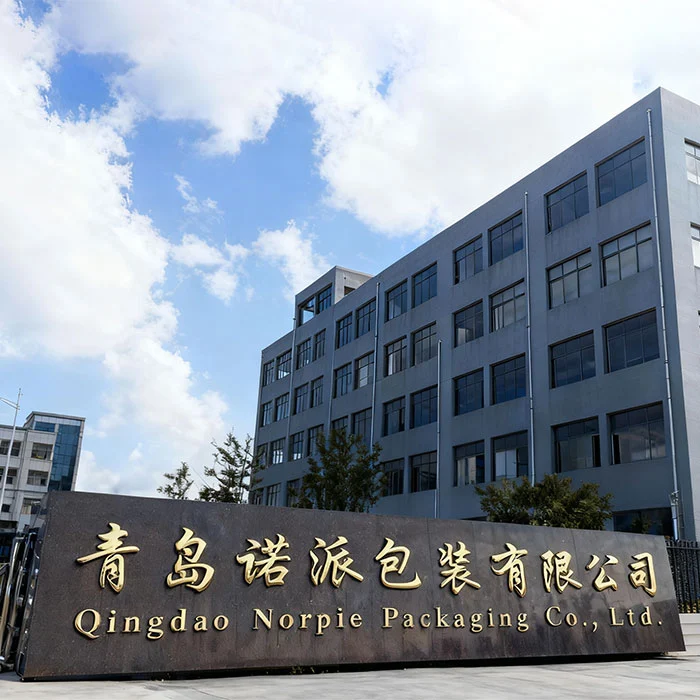
In modern large-scale operations, controlling costs while maintaining high operational efficiency is paramount. One area where significant savings can be achieved is in the management and use of Packaging Rolls. At our factory, we have observed that many companies encounter excessive waste due to inefficient handling, selection of inappropriate materials, or outdated machinery. Our expertise at Qingdao Norpie Packaging Co., Ltd. allows us to provide practical solutions that enhance efficiency, reduce waste, and ultimately lower operational costs.


In this comprehensive guide, we will explore the technical parameters, operational strategies, and practical tips for reducing waste and cost when using packaging rolls in large-scale operations. Each section delves into actionable insights supported by our experience in producing high-quality Packaging Roll solutions tailored for large manufacturing and logistics operations.


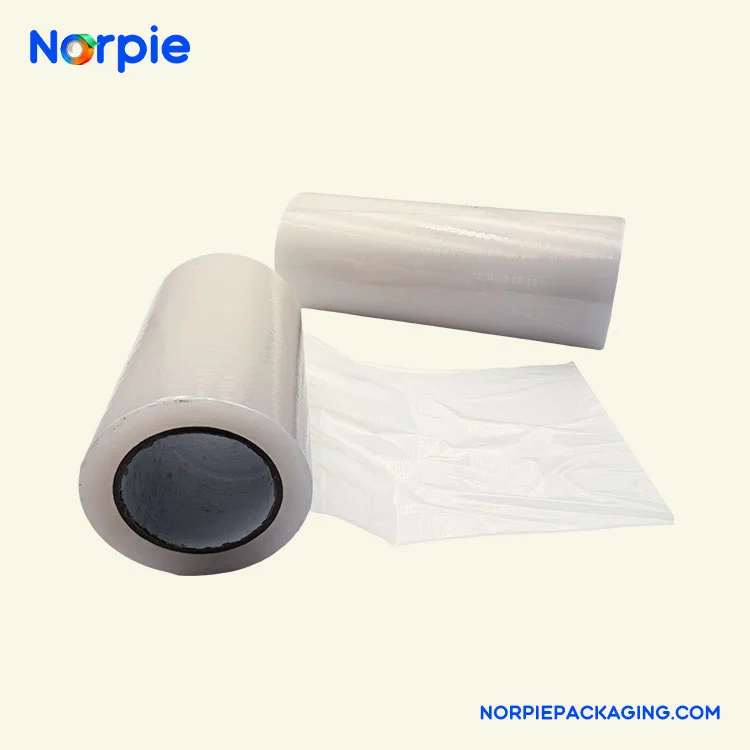
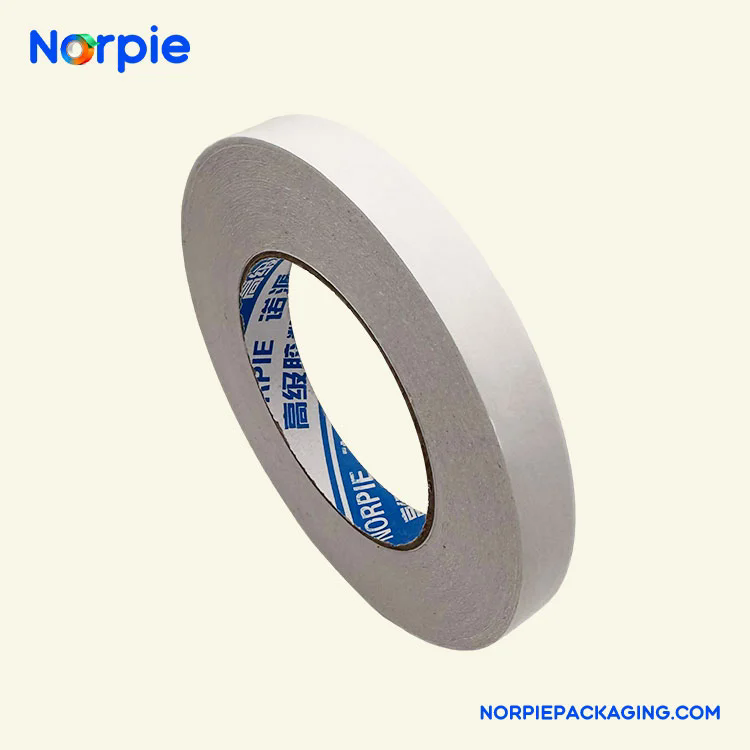
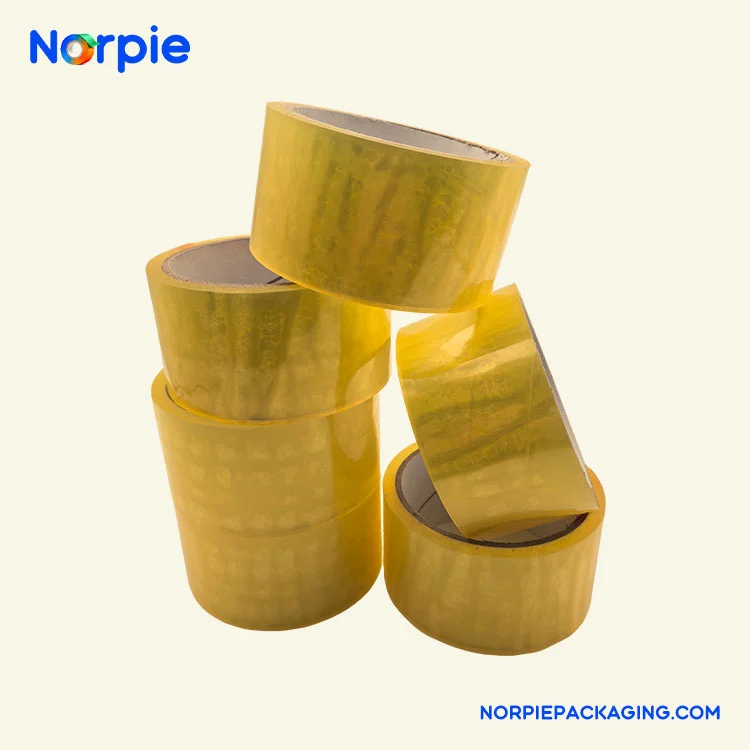
Packaging Roll


Why Are Packaging Rolls Critical in Large-Scale Operations?

Understanding the importance of Packaging Rolls in large-scale operations is essential for any cost reduction strategy. Our factory has worked with numerous enterprises, analyzing their packaging workflows to identify common inefficiencies. Below are the key reasons why packaging rolls are critical:


1. Operational Efficiency

Packaging rolls serve as the foundation for most automated and semi-automated packaging systems. Our products are designed to ensure consistent thickness, strength, and size, which reduces machine downtime and prevents production bottlenecks. Inefficient packaging can lead to frequent roll changes, misalignment, and jams, which increase labor costs and waste. By using high-quality rolls from Qingdao Norpie Packaging Co., Ltd., our clients have reported up to a 20% increase in packaging line efficiency.


2. Cost Control

The cost of packaging materials often represents a significant portion of operational expenditure. Our Packaging Roll solutions are engineered to provide optimal material utilization, minimizing excess usage. By selecting rolls with precise width, thickness, and core size, our clients reduce material wastage and achieve measurable cost savings. Proper roll selection and handling can cut packaging costs by 15-25%.


3. Product Protection

Packaging rolls are essential for maintaining product integrity during storage and transportation. Our rolls offer high tensile strength, puncture resistance, and barrier properties, ensuring goods remain undamaged. This reduces loss from product damage and associated replacement costs, contributing directly to overall operational savings.


4. Environmental Impact

Reducing waste in packaging operations is not only economically beneficial but also environmentally responsible. Our Packaging Roll products are designed with sustainability in mind, allowing for easier recycling and reduced material waste. Companies that adopt our rolls benefit from a lower environmental footprint while complying with local and international regulations.


5. Standardization Benefits

Using standardized rolls from Qingdao Norpie Packaging Co., Ltd. simplifies inventory management and reduces errors in packaging processes. Our rolls are produced with consistent dimensions and quality parameters, enabling our clients to streamline their supply chain, reduce overstock, and eliminate redundant purchases.


6. Strategic Planning and Analytics

Our factory encourages clients to leverage data analytics to monitor roll usage patterns. By tracking consumption, machine performance, and wastage trends, we help businesses identify areas for improvement and implement corrective actions. This proactive approach enables long-term savings and operational stability.


How to Optimize Packaging Roll Usage to Minimize Waste and Cost?

Optimizing the use of Packaging Rolls involves a combination of technical, operational, and strategic interventions. At our factory, we have developed a systematic approach to maximize efficiency and minimize waste. Below are detailed steps and strategies:


1. Correct Roll Selection

  • Determine the optimal width and thickness for your products.
  • Consider tensile strength, puncture resistance, and barrier properties.
  • Our factory provides a comprehensive specification table to help clients match rolls to their operational requirements.


Parameter Specification Recommended Usage
Width 200-1000 mm Product packaging, pallet wrapping
Thickness 20-150 microns Lightweight to heavy-duty packaging
Core Diameter 3 inches / 6 inches Compatible with standard machines
Material PE, BOPP, PVC Flexible for different product protection
Color Transparent, White, Custom Product identification and branding

2. Proper Handling and Storage

  • Store rolls in a clean, dry, and temperature-controlled environment.
  • Use our factory’s recommended handling guidelines to prevent contamination or deformation.
  • Rotate inventory regularly to avoid long-term storage degradation.


3. Machine Calibration and Maintenance

  • Regularly check and calibrate machines to match roll specifications.
  • Our engineers recommend routine inspection schedules to prevent downtime.
  • Proper alignment reduces tear, wrinkles, and excessive overlap that cause material waste.


4. Employee Training and SOPs

  • Train staff on correct roll replacement techniques and monitoring usage.
  • Implement standard operating procedures that emphasize efficiency.
  • Our factory provides training modules for large-scale operations to ensure consistent best practices.


5. Implement Waste Monitoring Systems

  • Track roll consumption per production line.
  • Identify high-waste areas and implement corrective measures.
  • Using data from our factory, businesses can reduce unnecessary roll changes and optimize roll length usage.


6. Use Advanced Roll Materials

High-performance rolls from Qingdao Norpie Packaging Co., Ltd. offer enhanced stretchability, tear resistance, and surface smoothness. This allows for minimal overlap and precise wrapping, reducing material consumption while maintaining protection standards.


7. Recycling and Reuse Initiatives

  • Collect and recycle leftover roll material.
  • Integrate partial-use rolls into smaller operations where applicable.
  • Our factory provides consultation on integrating recycled roll material without compromising product quality.

What Parameters Impact Efficiency When Using Packaging Rolls?

Understanding the parameters that impact operational efficiency allows companies to make informed decisions. At our factory, we focus on the following aspects:


1. Roll Thickness

The thickness of the roll influences durability and material consumption. Thicker rolls provide stronger protection but may increase cost if not optimized. Our Packaging Roll products are available in 20-150 microns to suit various operational needs.


2. Roll Width

Roll width should match the product and machine size. Wider rolls cover more surface area but may lead to overuse if misaligned. Our factory offers custom width options to ensure precise coverage.


3. Material Type

PE, BOPP, and PVC each have unique properties affecting stretchability, tear resistance, and clarity. Our engineers provide guidance on material selection based on product requirements.


4. Core Diameter

Using the correct core diameter prevents machine jams and roll deformation. Our standard options are 3 and 6 inches for compatibility with common packaging machinery.


5. Storage and Environmental Factors

Humidity, temperature, and contamination can degrade roll performance. Our factory emphasizes proper storage to maintain roll integrity and efficiency.


6. Machine Speed and Settings

Operational speed affects roll consumption. Faster machines require stronger rolls with appropriate stretchability. Our factory provides testing and recommendations for speed optimization.


How to Select the Right Packaging Roll for Large-Scale Operations?

Selecting the right roll is crucial for efficiency, cost reduction, and product protection. Our factory advises clients to consider the following steps:


1. Assess Product Characteristics

  • Weight, dimensions, fragility, and surface texture influence roll selection.
  • Our Packaging Roll range caters to delicate, standard, and heavy-duty products.


2. Determine Packaging Equipment Requirements

  • Ensure roll width and core diameter match machine specifications.
  • Our factory provides detailed charts to match rolls with various machinery models.


3. Evaluate Environmental and Transportation Needs

  • Consider temperature, moisture, and storage conditions.
  • Our rolls offer protective properties to withstand harsh environments.


4. Calculate Cost-Benefit

  • Compare material cost versus savings from reduced waste and damage prevention.
  • Our factory supplies cost-analysis templates to guide decisions.


5. Test and Monitor

  • Implement pilot runs to observe performance.
  • Use monitoring systems to continuously assess roll efficiency and waste reduction.

Summary

Reducing waste and cost when using Packaging Rolls in large-scale operations requires a strategic approach encompassing roll selection, handling, machine calibration, employee training, and monitoring. Our experience at Qingdao Norpie Packaging Co., Ltd. has shown that businesses can achieve significant savings, operational efficiency, and environmental benefits by implementing these practices. By integrating high-quality rolls, standardized procedures, and analytics, our clients consistently see reduced wastage and improved bottom-line performance.


Our team is committed to providing expert guidance, technical specifications, and ongoing support to ensure your packaging operations achieve optimal results. Partner with Qingdao Norpie Packaging Co., Ltd. to streamline your packaging processes and maximize efficiency. If you want to achieve measurable savings and operational efficiency in your packaging process, contact us at Qingdao Norpie Packaging Co., Ltd. today. Our team can provide tailored solutions, expert guidance, and premium Packaging Roll products to help your operations succeed.


about us


Frequently Asked Questions

Here are the top FAQs regarding How to Reduce Waste and Cost When Using Packaging Rolls in Large-Scale Operations?

Q1: How do I determine the optimal roll width for my operations?
A1: Assess your product dimensions and packaging machinery specifications. Our factory provides detailed charts to match roll width with product size, ensuring minimal overlap and waste while maintaining protection standards.

Q2: How can material selection impact cost efficiency?
A2: Choosing the appropriate material such as PE, BOPP, or PVC affects strength, stretchability, and durability. Using high-performance rolls from our factory reduces waste and prevents damage, offering long-term cost savings.

Q3: How should rolls be stored to maintain quality?
A3: Store rolls in a clean, dry, temperature-controlled environment. Avoid stacking improperly and rotate inventory regularly. Our factory guidelines ensure optimal roll performance and minimal degradation.

Q4: How can machine calibration reduce roll waste?
A4: Proper machine settings aligned with roll specifications prevent tearing, misalignment, and overuse. Our engineers provide step-by-step calibration guidance for maximum efficiency.

Q5: How important is employee training in reducing waste?
A5: Employees must understand correct handling, replacement techniques, and monitoring practices. Our factory offers training modules that standardize procedures and reduce material loss.

Q6: How can I monitor roll usage effectively?
A6: Implement a waste tracking system to record roll consumption per line. Analyze patterns to identify high-waste areas and apply corrective measures using insights from our factory experience.

Q7: How does roll quality affect operational efficiency?
A7: High-quality rolls from Qingdao Norpie Packaging Co., Ltd. provide consistent thickness, strength, and surface smoothness, reducing machine jams, downtime, and material wastage.

Q8: How can I implement recycling programs for leftover rolls?
A8: Collect residual materials for reuse in smaller operations or recycle according to material type. Our factory provides consultation on integrating recycled roll material without compromising quality.


Related News
Leave me a message
X
We use cookies to offer you a better browsing experience, analyze site traffic and personalize content. By using this site, you agree to our use of cookies. Privacy Policy
Reject Accept