1. Product Overview
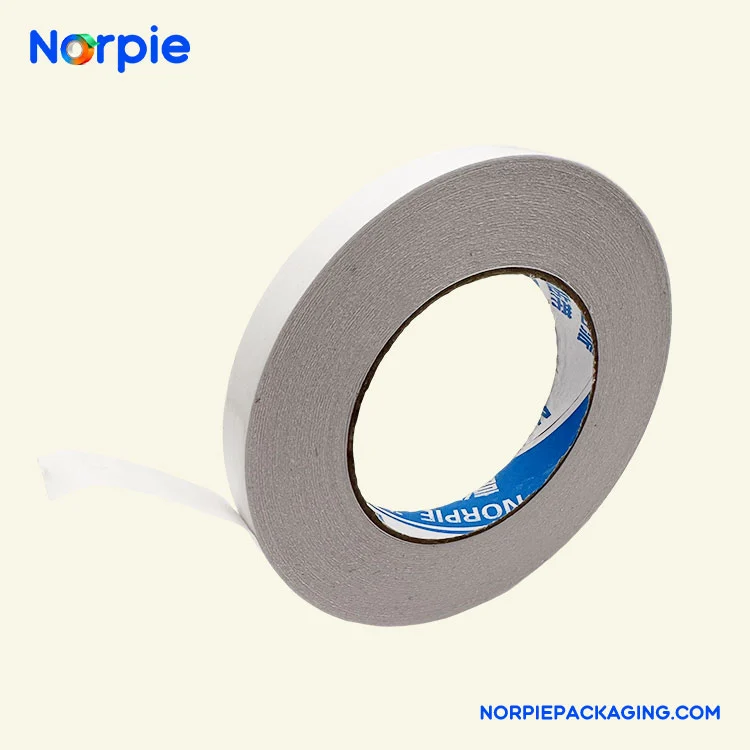
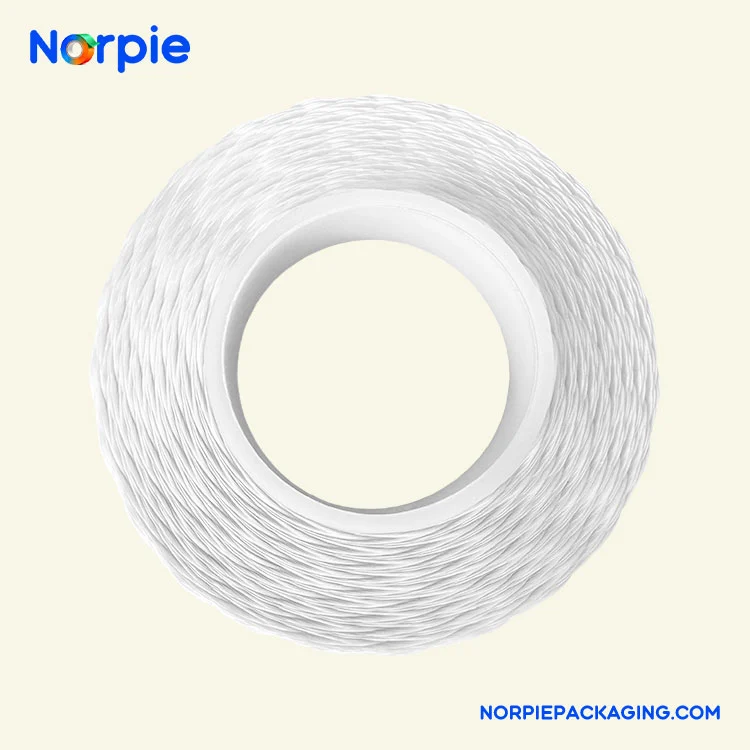
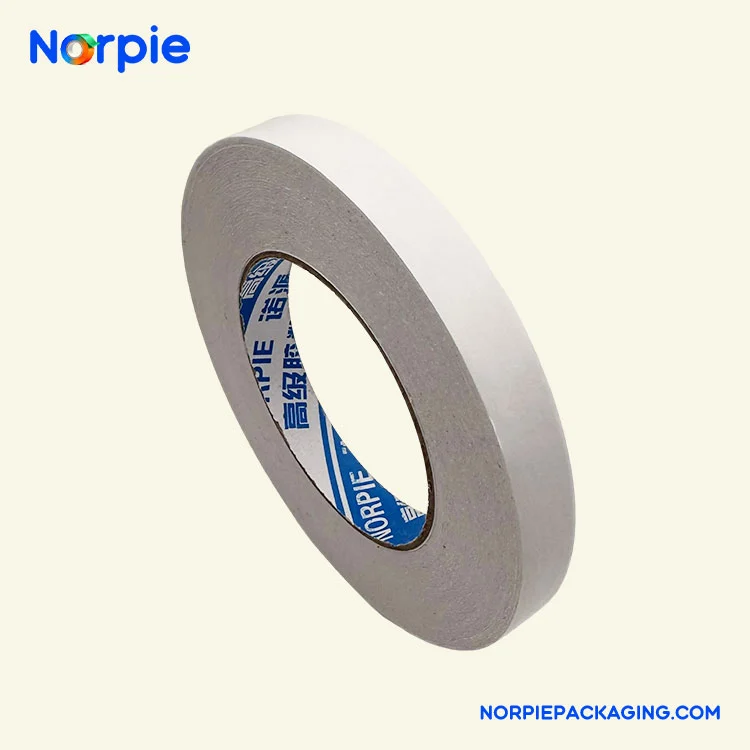
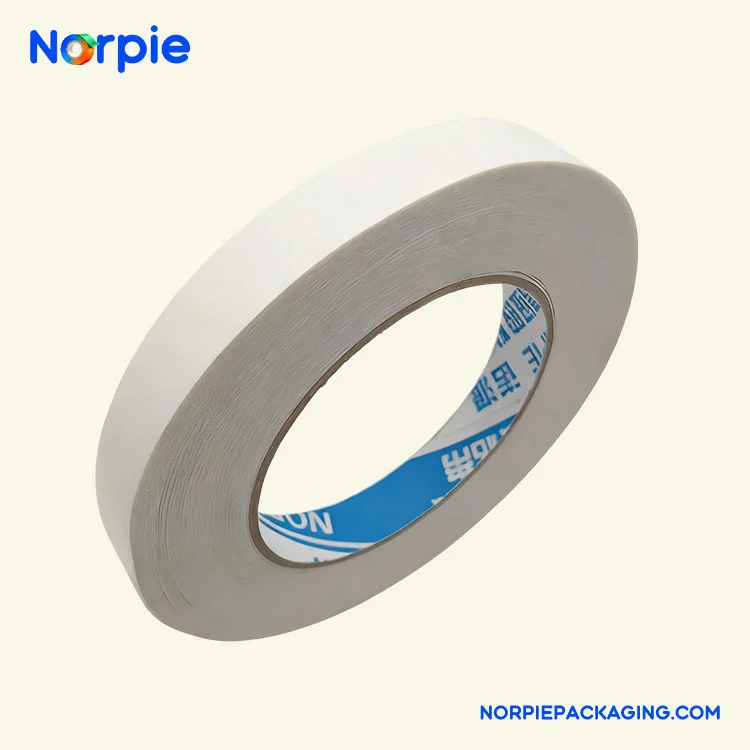
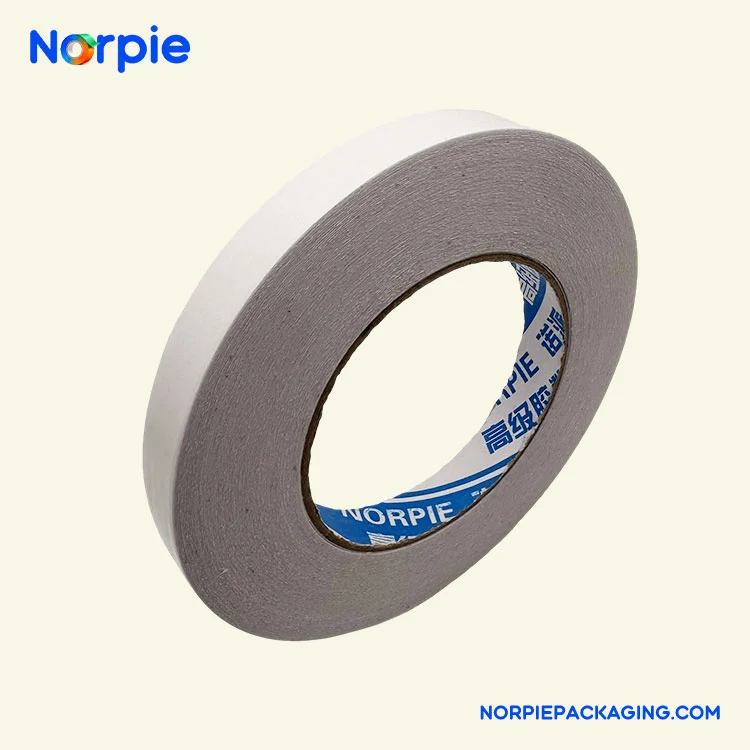
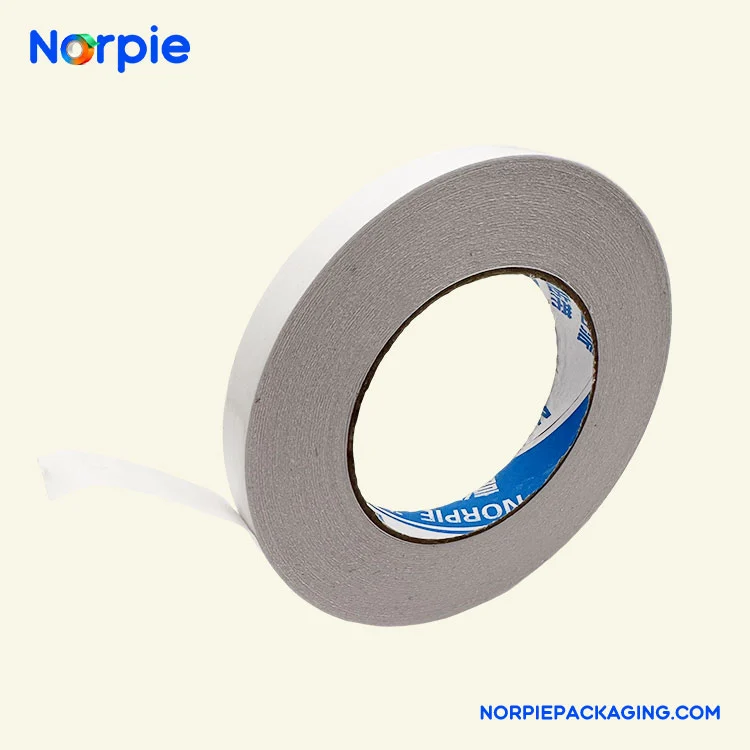
Oil-Based Double Sided Tape, commonly known as Acrylic Double-Sided Tape, refers to a type of adhesive that differs from early water-based alternatives like kraft paper tape. The term "Oil-Based" here indicates its chemical composition of synthetic acrylic adhesive, which offers superior weather resistance, temperature tolerance, and high adhesion strength. This tape features a cotton paper substrate coated with solvent-based acrylic pressure-sensitive adhesive on both sides.
Its core characteristics include:
Cotton Paper Substrate Advantages: Provides flexibility, easy peeling, and bendability, making it suitable for manual operation and curved surface bonding.
Oil-Based Adhesive Advantages: Delivers stronger initial bonding power and enhanced environmental resistance compared to earlier water-based versions, with better adhesion to non-polar materials.
2. Main Applications
Due to its soft and tearable characteristics, it is mainly suitable for scenarios where substrate flexibility is required, manual operation is needed, and bonding strength is moderate. Specific applications are as follows:
Handicrafts and Stationery: Ideal for precise placement of lightweight materials like paper, cards, photos, and fabric, which is particularly common in crafts and scrapbooking.
Lightweight Fixation: Temporarily or permanently secures lightweight exhibits, posters, or drawings, ensuring stable bonding without damaging the attached surface.
Clothing and Textile Industry: Used to temporarily fix fabrics or accessories during garment pattern making or production. The cotton paper substrate is not easy to pull threads and is friendly to various fabric materials.
Packaging Sealing: Applicable to high-end gift boxes, cosmetic boxes and other packaging that requires a refined appearance, as it is hidden and leaves a smooth surface after bonding.
3. How to Choose
Core Principle:The higher the adhesion (peeling force), the stronger the initial grip and the greater the final bonding strength, but the more difficult it is to adjust or remove. Ambient temperature significantly affects the performance of the tape.
3.1 Application Scenarios for Different Viscosity Levels
(1) 90-100 g/in (General Balance Type)
Features: Balances initial grip and adjustability. Offers good initial hold while allowing brief fine-tuning. This is the most commonly used universal level.
Applicable Scenarios:
Most daily office and home applications (such as pasting posters and decorative paintings).
Fixing lightweight signs and plastic parts.
Packaging sealing for general products.
Bonding common materials like paper, cardboard, and ABS plastic.
(2) 120 g/in (High Initial Viscosity Type)
Features: Highly adhesive initially, making it difficult to move once applied, providing fast and reliable adhesion. Offers better wetting effect on rough or porous surfaces.
Applicable Scenarios:
Parts that need to be fixed immediately to prevent slipping.
Bonding materials with slightly heavier weight or slightly rough/uneven surfaces (such as matte plastic, wood, metal).
Production lines that require fast bonding to improve production efficiency.
3.2 Consider the Effect of Season (Ambient Temperature)
Temperature has a decisive effect on the performance of pressure-sensitive glue, which must be considered when choosing.
(1) Summer/High Temperature (>25°C)
Phenomenon: The adhesive becomes soft and sticky, and the cohesion decreases. This may lead to: High-viscosity tapes (e.g., 120g/in) are prone to adhesive leakage under pressure, resulting in reduced adhesion strength; the adhered object may slowly slide due to gravity, making the tape feel "overly sticky" and difficult to handle.
Selection Strategy:
Consider reducing the viscosity grade (e.g., use 120g/in in winter and switch to 100g/in in summer).
Choose acrylic adhesives with better thermal resistance.
(2) Winter/Low Temperature Environment (<15°C)
Phenomenon: The adhesive will harden and become brittle, and the adhesion will be significantly reduced. This may lead to: The initial adhesive force is almost completely lost, and the tape "loses its adhesive" and cannot be effectively attached; it cannot fully wet the surface of the object to be glued, resulting in insufficient final bonding strength or even falling off.
Selection Strategy:
Consider raising the viscosity grade (e.g., use 100g/in in summer and switch to 120g/in in winter).
Preheat the components to be bonded or the tape itself before application (e.g., by placing it near a heater or using a heat gun).
Select a specialized tape formula with excellent low-temperature tack.
4. Product Information
Product Information Table
|
Project
|
Description
|
|
Product Composition
|
Paper substrate + solvent-based acrylic pressure-sensitive adhesive
|
|
Substrate Properties
|
Cotton paper: can be cut by hand, soft and easy to bend
|
|
Adhesive Type
|
Solvent-based acrylic adhesive. Compared to water-based adhesives, it exhibits stronger adhesion to non-polar materials (such as PP and PE plastics) and improved water resistance.
|
|
Regular Shape
|
Wavy, with release paper. Common widths: 3mm to 1280mm
|
|
Physical Parameters
|
• Thickness: 0.10mm-0.15mm (excluding release paper)• Color: translucent (beige), white
|
|
Performance Parameter
|
• Shear force: Common range 80 g/in to 120 g/in• Temperature range: -10℃ to 70℃ (long-term)• Adhesion: ≥24 hours (standard test conditions)
|
|
Core Features
|
Glues lightweight materials for flat or curved surfaces. Suitable for manual and automated processing.
|
|
Applicable Materials
|
Paper, cardboard, most plastics (ABS, PS, acrylic), glass, metal, wood.
|
|
Typical Application
|
• Paper product bonding (manuals, packaging)• Light signage and nameplate fixation• Positioning of clothing and textile accessories• Fixing lightweight components within the electronics industry
|
|
Selection Criteria
|
1. Adhesive strength: 80 g/in (requires positioning adjustment), 90-100 g/in (general), 120 g/in (quickly secure)2. Environmental considerations: For low-temperature environments, select high-viscosity models or preheat; for high-temperature environments, be cautious of the risk of softened adhesive layer.
|
|
Boundedness
|
• Not suitable for bonding structural load-bearing components• Prolonged exposure to humid conditions may reduce the strength of cotton paper• Poor bonding effect on low surface energy materials such as silicone and Teflon
|
|
Condition of Storage
|
A cool, dry environment with a temperature of 15℃-30℃ and a humidity of 40%-60%. Avoid direct sunlight.
|
|
Precautions for Use
|
The surface to be bonded must be clean, dry, and free of grease. Apply even pressure after bonding to ensure full contact.
|
5. Features, Benefits and Limitations
5.1 Features and Benefits
Good Flexibility: Can easily fit curved and irregular surfaces without springing back.
Easy to Tear with Bare Hands: No scissors or tools are needed, which is very convenient to use and improves manual efficiency.
High Initial Viscosity: Solvent-based adhesives provide faster grip than traditional water-based adhesives.
Flat and Hidden: Thin thickness, almost no trace after sticking, does not affect the appearance of the work.
Friendly to Paper and Fabric: When bonded with similar materials, it is not easy to penetrate or damage the bonded object.
5.2 Corresponding Limitations
Limited Strength: Not suitable for replacing screws or structural bonding.
General Weather Resistance: Cotton paper substrate is easy to age, mold or lose strength when exposed to outdoor or humid environments for a long time.
Poor Temperature Resistance: Usually has a narrow working temperature range; high temperature may cause softening and exudation, while low temperature may cause brittleness.
Weak Filling Ability: Due to the thin and soft substrate, it cannot effectively fill gaps on uneven surfaces.
5.3 Summary
Oil-Based Double-Sided Tape with cotton paper backing is a user-friendly adhesive solution optimized for manual and lightweight applications. Its core value lies in easy peeling and flexibility, rather than high bonding strength or durability. When selecting, prioritize whether its physical properties match your operational methods and application scenarios.