News

How to Choose the Right Packaging Roll for Your Food Business?

2025-12-15

Choosing the right packaging roll is a critical decision for any food business looking to maintain product quality, extend shelf life, and optimize packaging efficiency. The correct selection ensures your products remain fresh, visually appealing, and safe for consumers. At our factory, we have spent years assisting food producers with tailored solutions that meet both operational demands and industry standards. Our packaging roll options are designed to handle a variety of food types, from baked goods to frozen meals, and deliver consistent performance throughout production.


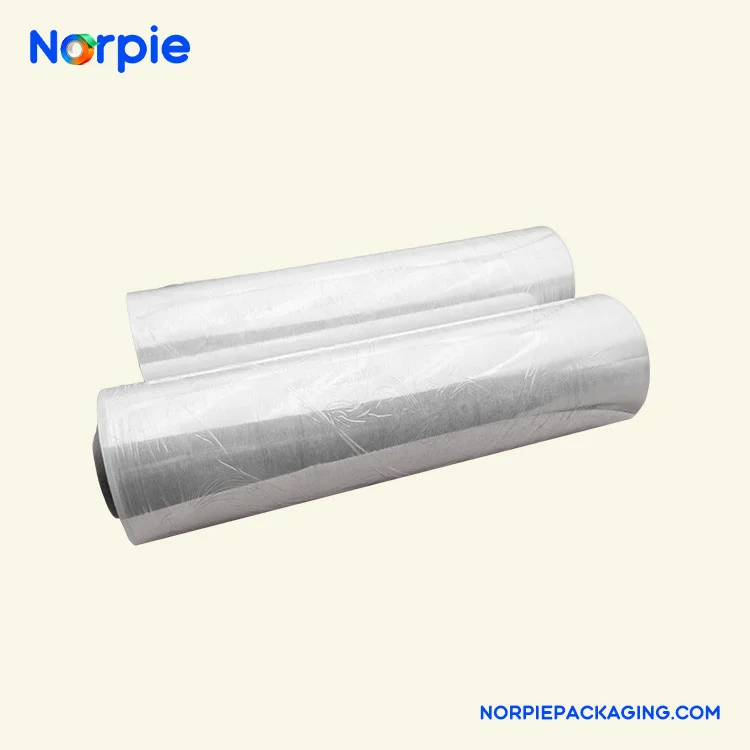
stretch film


What Are the Key Material Considerations for Packaging Roll?

The choice of material affects durability, barrier properties, and compatibility with different food products. Common materials include polyethylene, polypropylene, aluminum laminates, and biodegradable films. Each material type offers distinct benefits. Our team at Qingdao Norpie Packaging Co., Ltd. evaluates customer needs based on moisture resistance, oxygen barrier, and sealing capabilities. We also consider temperature tolerance, especially for heat-sealing or frozen storage applications.


Material thickness, measured in microns, directly impacts mechanical strength and barrier performance. Our Packaging Roll products are available in a range of thicknesses to balance flexibility and protection, ensuring your food products remain intact during transport and storage.


How Do Barrier Properties Affect Food Shelf Life?

Barrier properties are crucial in protecting food from moisture, oxygen, and light. Poor barrier performance can lead to spoilage, flavor loss, or microbial growth. In our factory, we test every batch of packaging roll for permeability and tensile strength to confirm reliability under commercial conditions. For example, aluminum laminates offer excellent oxygen and light barriers for sensitive products, while polyethylene films provide moisture protection for bakery items.


The following table illustrates common barrier properties and their suitability for different food applications.

Material Type Oxygen Barrier Moisture Barrier Recommended Use
Polyethylene Low High Bread, snacks, general packaging
Polypropylene Moderate Moderate Frozen foods, confectionery
Aluminum Laminate High High Chocolate, coffee, sensitive items
Biodegradable Film Moderate Moderate Eco-friendly packaging, dry foods

What Role Does Mechanical Strength Play in Packaging Roll Selection?

Mechanical strength determines how well the packaging roll withstands stretching, punctures, and heat sealing. High-strength films prevent tears during filling and transport, reducing waste and improving operational efficiency. Our engineers at Qingdao Norpie Packaging Co., Ltd guide customers on choosing suitable thickness and reinforcement options depending on food type and production speed. For example, frozen food packaging requires higher tensile strength, while delicate bakery items benefit from softer, more flexible films.


We also provide packaging rolls with anti-static and slip-resistant coatings, improving handling on automated lines. Our Packaging Roll products are tested to ensure uniformity and reliable performance under continuous production.


How to Assess Compatibility with Your Food Production Process?

Compatibility with existing machinery and production lines is critical. Incorrect roll width, core size, or sealing characteristics can lead to downtime and increased labor costs. Our factory collaborates closely with clients to assess equipment specifications, ensuring our packaging roll fits smoothly into your packaging systems. This includes evaluating heat seal performance, unwind tension, and film adhesion.


For high-speed automated lines, we also consider the impact of film elasticity and surface texture. Our packaging roll options are optimized for different machinery types, from manual heat sealers to high-speed flow wrappers.


How Does Cost Efficiency Influence Your Packaging Roll Decision?

While performance is paramount, cost efficiency remains a practical concern. Choosing the right material and thickness affects not only product protection but also consumption rates and waste. In our experience, optimizing packaging roll size and yield reduces overall packaging costs without compromising quality. Our Packaging Roll products are available in standard and custom dimensions, allowing food businesses to balance cost with operational requirements.


The table below summarizes material thickness, average cost per meter, and operational considerations.

Material Type Thickness (microns) Approximate Cost per Meter Operational Notes
Polyethylene 20–50 Low Good for high-volume bakery production
Polypropylene 30–70 Medium Requires heat sealing; suitable for frozen items
Aluminum Laminate 40–80 High Protects sensitive items; slower processing recommended
Biodegradable Film 25–60 Medium Environmentally friendly; monitor storage humidity

FAQ: How to Choose the Right Packaging Roll for Your Food Business?

Q1: What factors determine the optimal film material for different food types?

Consider moisture content, oxygen sensitivity, and storage conditions. High-moisture or perishable products benefit from films with excellent oxygen and moisture barriers. Our factory evaluates these requirements to match the appropriate Packaging Roll for each food type.

Q2: How does thickness affect packaging efficiency and protection?

Thicker films offer higher mechanical strength and barrier performance but may reduce flexibility and increase cost. Our Packaging Roll options balance thickness to ensure both protection and operational efficiency without excessive material use.

Q3: Why is machinery compatibility important when selecting a Packaging Roll?

Roll width, core size, and sealing properties must align with your production equipment. Improper fit can cause downtime, misalignment, or sealing failures. Our team at Qingdao Norpie Packaging Co., Ltd assesses these parameters to guarantee smooth operation and consistent packaging quality.


Conclusion

Choosing the right Packaging Roll requires careful consideration of material, barrier properties, mechanical strength, machinery compatibility, and cost efficiency. Selecting high-quality rolls ensures your food products remain fresh, safe, and visually appealing while improving operational efficiency. At our factory, we provide customized Packaging Roll solutions that meet the specific demands of modern food businesses. Contact our technical team today at Qingdao Norpie Packaging Co., Ltd to discuss your packaging needs and optimize your production process.

Related News
X
We use cookies to offer you a better browsing experience, analyze site traffic and personalize content. By using this site, you agree to our use of cookies. Privacy Policy
Reject Accept