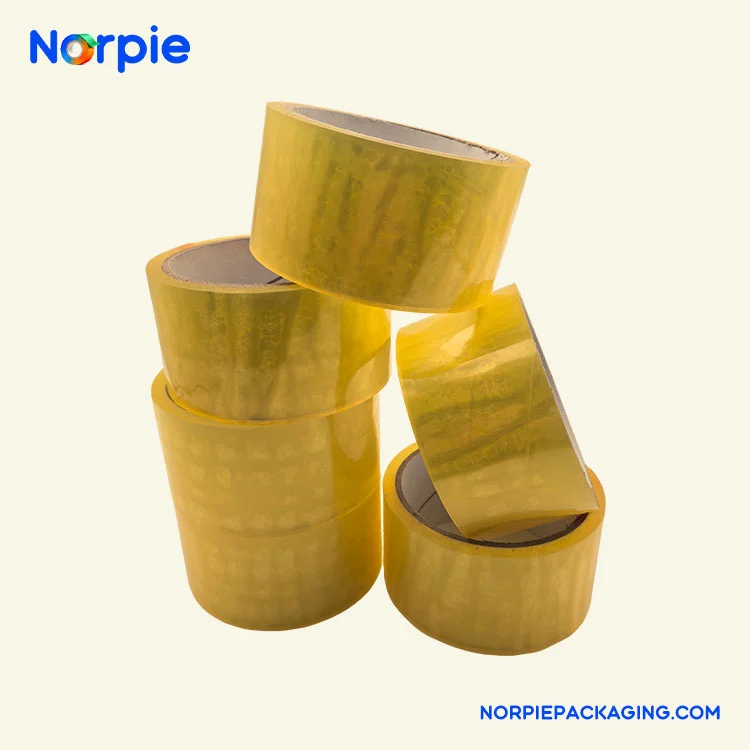
1. Product Overview
Duct Tape, commonly known as "Cloth Tape", is an industrial adhesive tape made of high-strength, tear-resistant cotton or polyester-cotton fabric as the base material. The back is coated with high-adhesive pressure-sensitive adhesive (usually rubber-based or hot-melt adhesive), and the front is treated with polyethylene (PE) coating.
Main Features:
High Strength & Tear Resistance: Thanks to the fabric base, it is very strong and not easy to tear, even if there is a crack, it is difficult to continue to tear.
High Adhesion: Strong adhesive strength, can be firmly attached to a variety of surfaces, including some rough surfaces.
Easy to Tear: No scissors are needed. You can tear it with your hands.
Good Flexibility: Can easily fit irregular surfaces, such as pipes, corners, etc.
Common Uses:
Carton sealing, heavy object binding, pipeline protection, carpet fixing, temporary repair, stage arrangement, etc.
2. Product Type
By Color and Function:
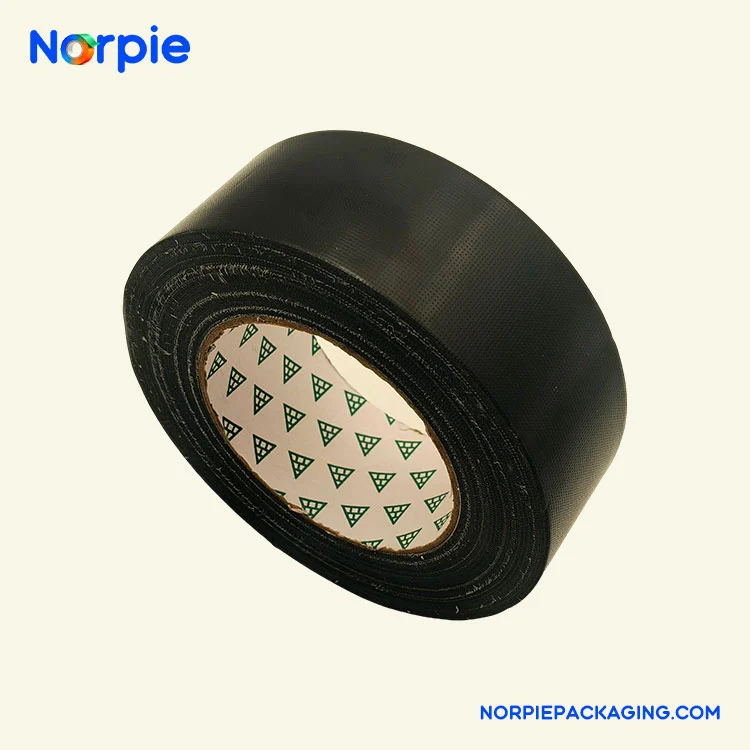
Black/Standard Bakelite Tape: The most common color, with a black PE-coated surface that offers strong UV protection, ideal for outdoor use.
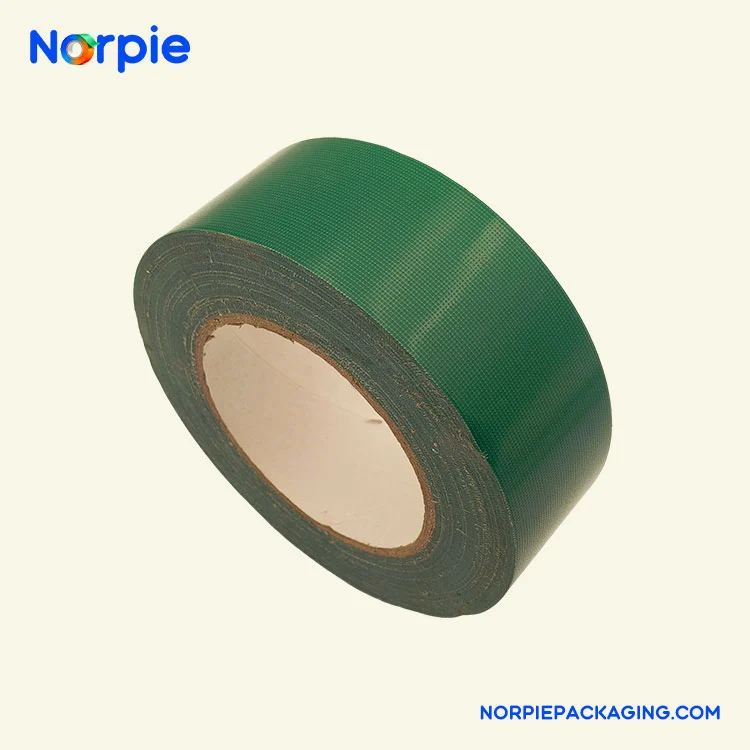
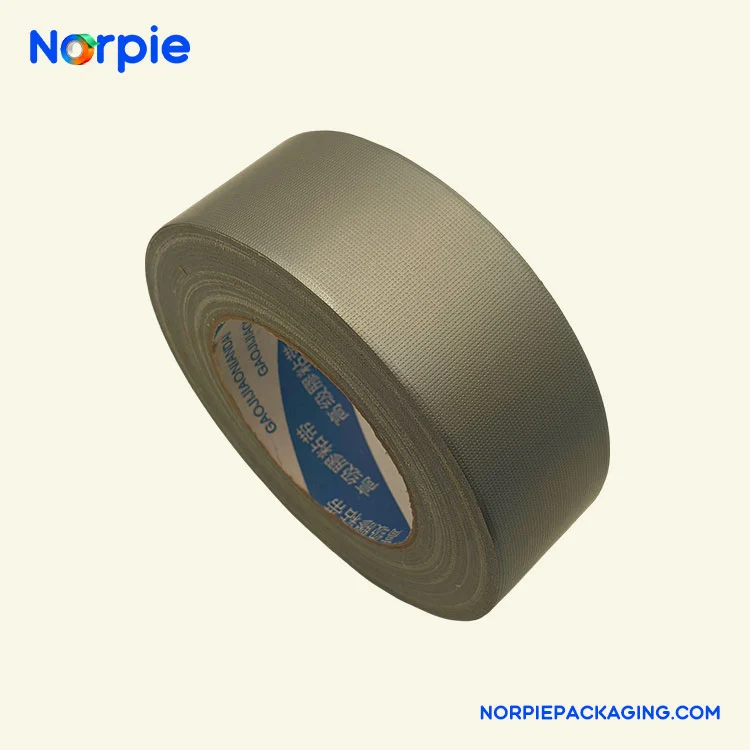
Green/Military Green Cloth Tape: Usually has stronger water resistance and weather resistance, often used in pipeline wrapping, carpet fixing and other construction fields.
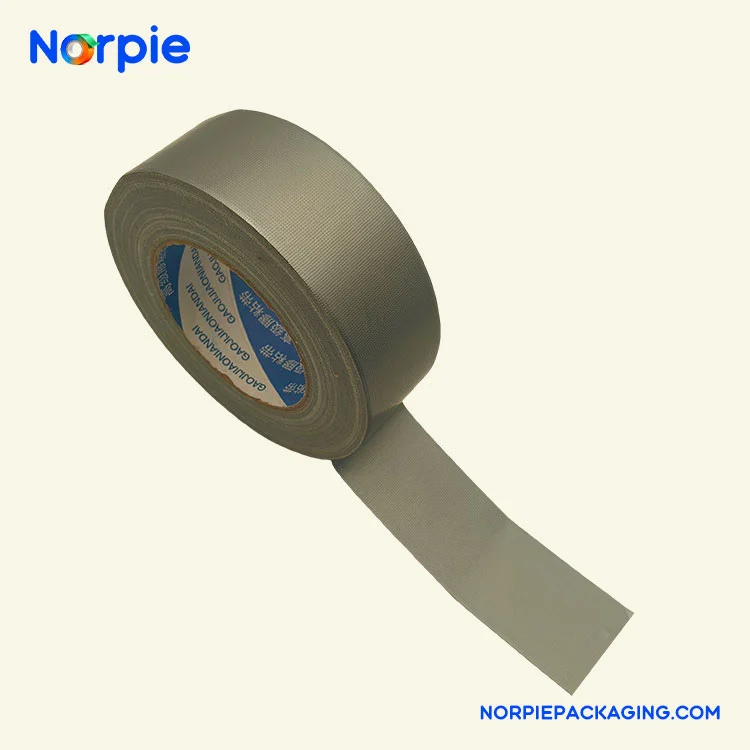
Silver Cloth Tape: Has the function of reflecting heat insulation, often used for the outer wrapping of pipeline insulation, or in the occasion of reflecting identification.
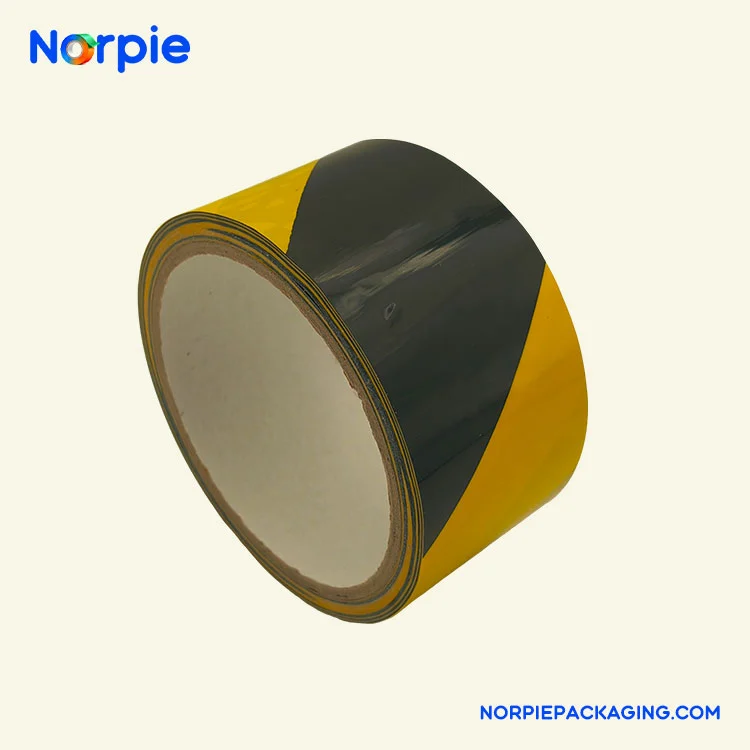
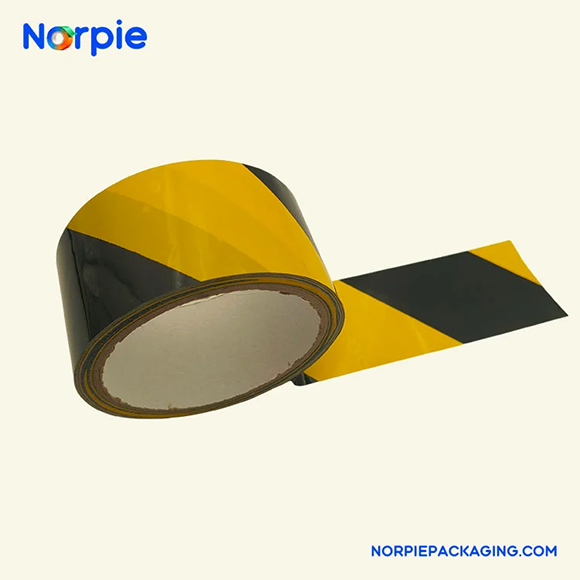
Colorful Adhesive Tape (e.g., red, blue, yellow): Primarily used for color labeling, categorization, zoning, or decoration.
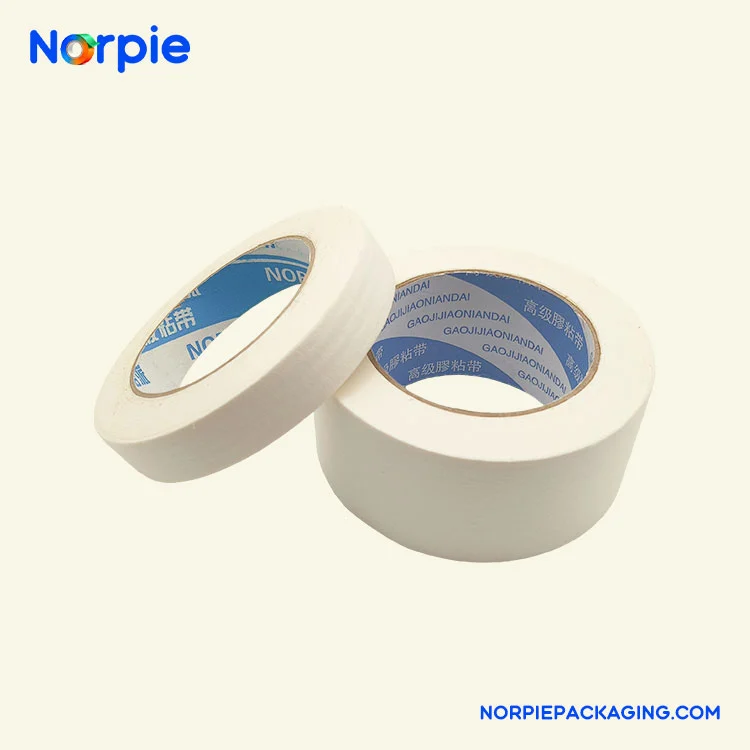
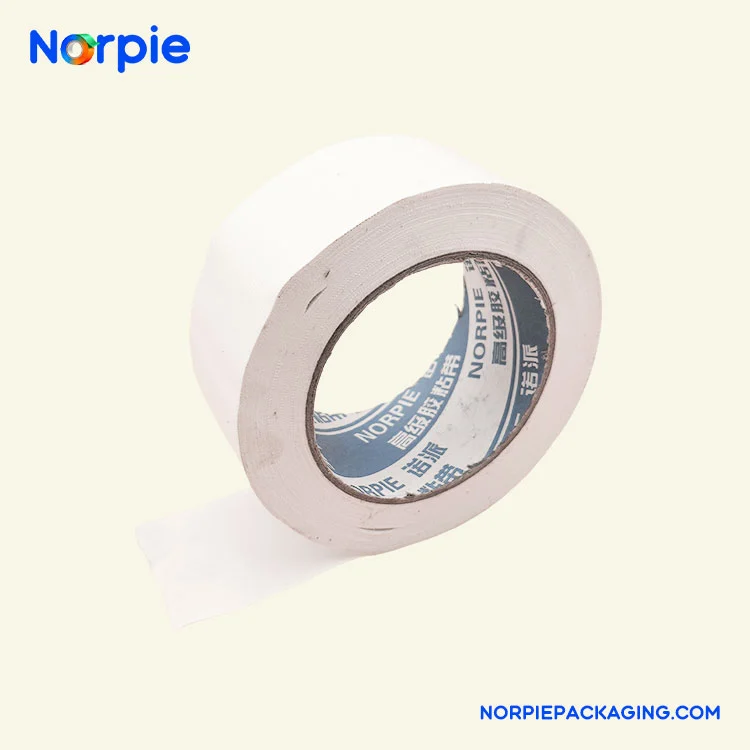
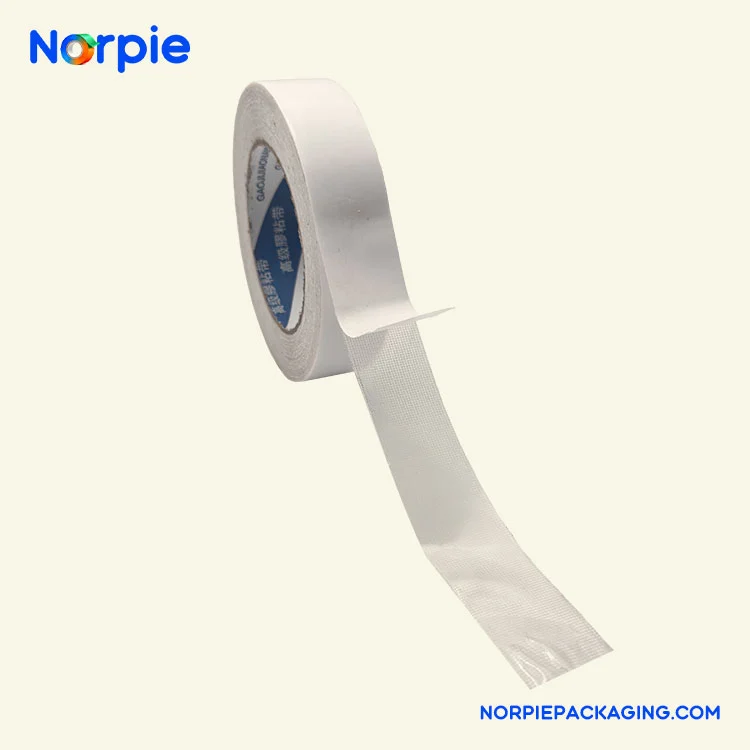
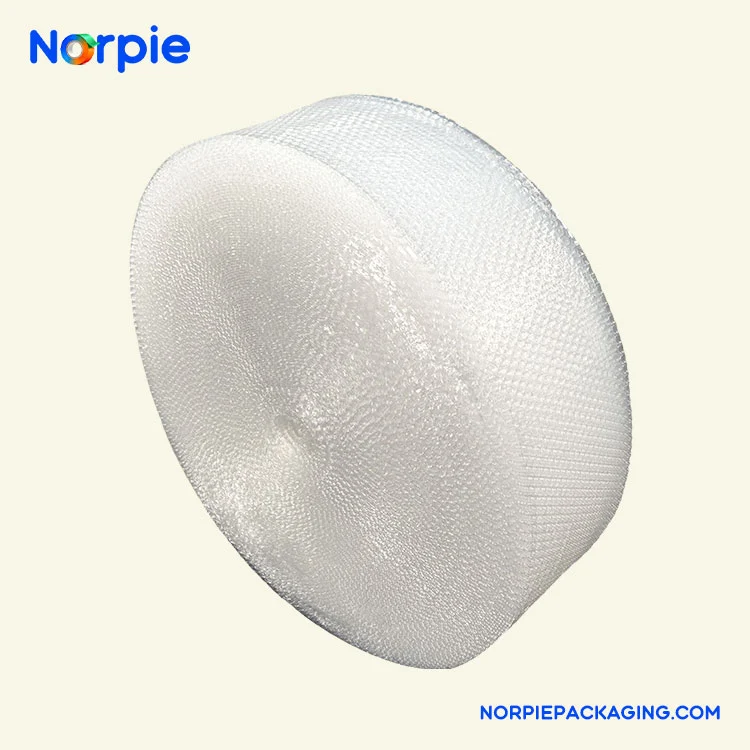
White Bubble Wrap Tape: Clean surface, easy to write, commonly used for marking and classification in office and logistics industries.
3. How to Choose
The following key factors need to be considered when choosing the right duct tape:
(1) Specify the Use Case and Purpose
Standard Packaging: Simply use standard hot-melt fabric-based tape for cost-effective results.
For Outdoor Use: Choose black or military green cloth tape, which is better UV resistant and weather resistant.
Pipeline Wrapping/Carpet Securing: Military green fabric-based tape is a common industry choice due to its excellent waterproofing and strength.
To Label or Categorize: Select white or colored masking tape for easy writing and distinction.
(2) View Core Parameters
Base Thickness and Texture: The thicker the fabric, the higher the overall strength of the tape, the stronger the tear resistance.
Tape Thickness: Usually measured in millimeters (mm) or microns (μm). The thicker the overall thickness, the thicker the base cloth and adhesive layer, and the better the strength and adhesion.
Peeling Strength: The force measured when the tape is peeled off the surface. The higher the value, the more firmly it is glued.
Breakage Strength: The force required to break the tape, the higher the value, the stronger the tensile strength.
(3) Consider the Environment
Temperature: What temperature range should the tape be used and attached to?
Humidity/Water: Is long-term waterproofing or immersion required?
Indoor/Outdoor: UV-resistant type must be selected for outdoor use.
(4) Try It Out
Hand Feel: Feel the thickness and flexibility of the fabric.
Tear: Try to tear it and see if the fabric fibers are neat after tearing.
Initial Adhesion: Press gently on the surface to feel the initial adhesion force.
Adhesion: After sticking, observe for a period to check for edge lifting or peeling.