News

How to use Textured paper tape?

2026-01-23 0 Leave me a message

As a common masking material, masking tape is becoming an essential tool in an increasing number of households and professional construction projects. Whether for home decoration, artistic creation, or daily handicrafts, proper use of masking tape can significantly enhance work efficiency and quality.


Primary functions of art paper

Pulp paper, also known as masking tape, is primarily used to protect untreated areas during spraying, painting, or other surface treatments. Compared to ordinary tape, it offers the following unique advantages:

Precise masking: Creates clear boundaries for clean and crisp color separation

Protective surface: Special adhesive is used, leaving no residue after removal and causing no damage to most surfaces.

Temperature resistance: Capable of withstanding varying degrees of temperature, suitable for diverse construction environments

Flexibility: Capable of conforming to irregular surfaces and curved edges

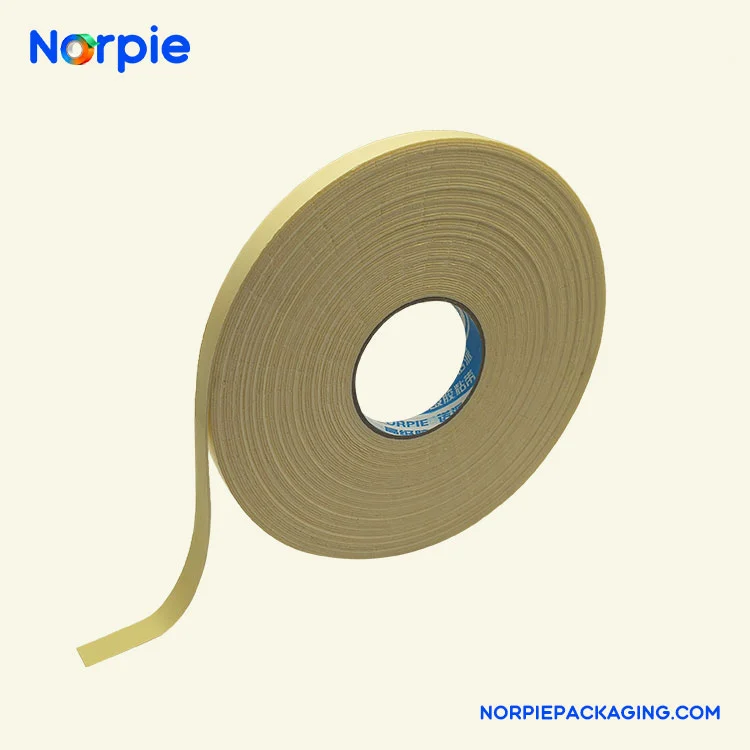
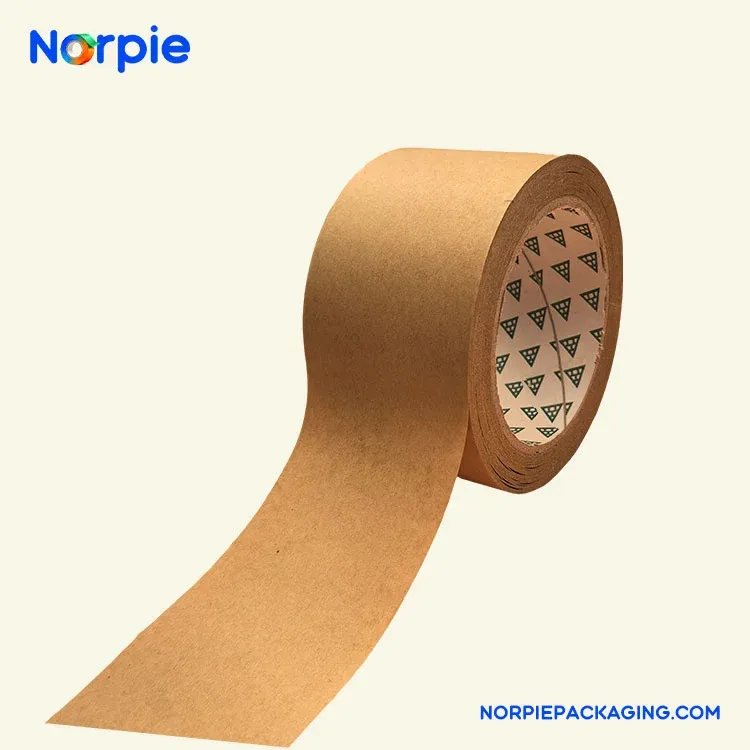
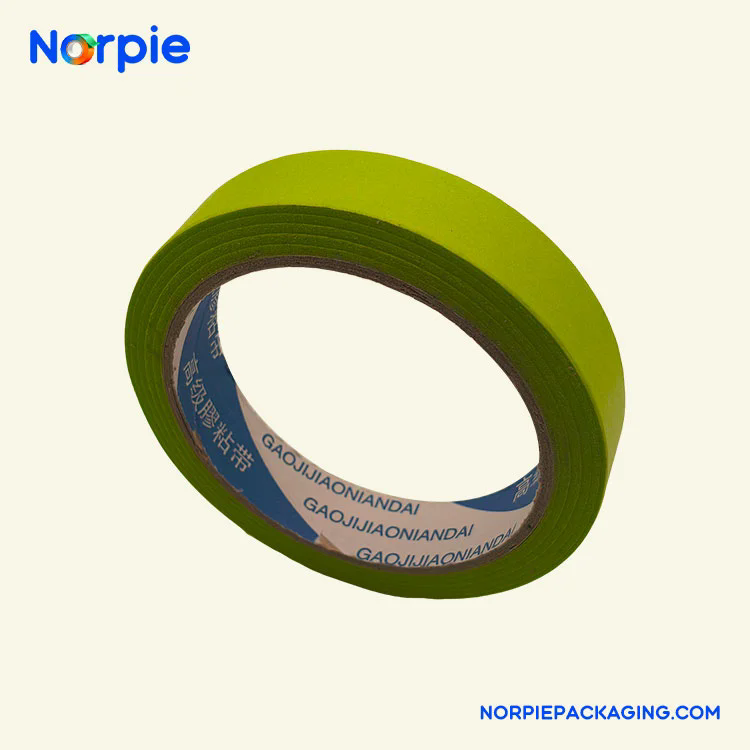
Textured paper tape

The multiple uses of art paper

1. Renovation and Construction Field

In interior decoration, masking paper is widely used for wall painting and furniture painting. For instance, during wall painting, masking paper is applied to protect switches, sockets, baseboards, and door/window frames. When renovating furniture, it is used to create geometric patterns or protect specific areas.

2. Automotive Industry Applications

In automotive paint repair, masking tape is used to cover windows, headlights, and chrome trim strips, ensuring precise and clean paint edges.

3. Artistic Creation

Artists use tracing paper to create straight lines, geometric shapes, or layered compositions, especially in watercolor and acrylic paintings.

4. Daily Life at Home and Handicrafts

From creating neat stripes when packing gifts to temporarily marking the location of items, the uses of masking paper in family life are constantly being explored.

Proper Steps and Methods for Using Wrapping Paper

Step 1: Surface preparation

Ensure the surface to be covered with masking tape is clean, dry, and free of oil. Dust or moisture can reduce the adhesion of the masking tape and affect its covering effect.

Step 2: Paste

To set the masking boundary, first lightly mark it with a pencil

Paste the decorative paper smoothly along the border to avoid excessive stretching

For longer borders, we recommend pasting in segments.

After pasting, gently press the edges with your fingers or a spatula, especially in curved areas.

Step 3: Inspection and Management

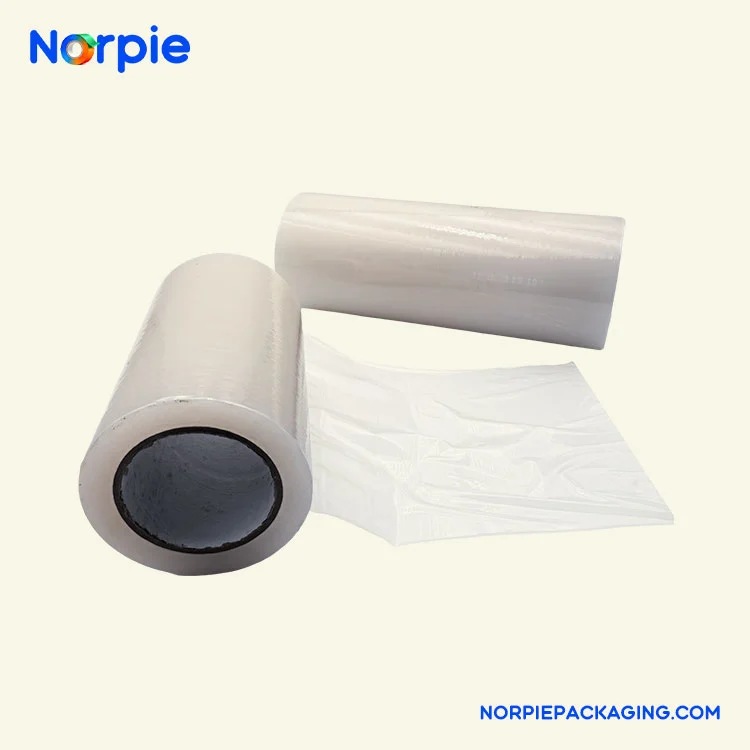
After pasting, check if the edges are fully aligned. If there are bubbles or wrinkles, reapply the adhesive to the affected area. For surfaces requiring special protection, cover them with plastic film first, then secure the edges with masking tape.

Step 4: Remove the technique

After construction completion, the masking paper should be removed before the coating is fully dry.

Remove gently at a 45-degree angle to avoid rapid pulling.

If the coating seeps into the edge, gently scrape along the boundary with a sharp blade.

Textured paper tape

Professional Tips and Precautions

Select the appropriate type: Choose decorative paper with different temperature resistance grades and viscosities based on the construction environment.

Time control: Do not adhere the Textured paper tape beyond the recommended duration (typically within 21 days), as residual adhesive may remain.

Special surface testing: Before use on vulnerable surfaces (e.g., wallpaper, old paint), conduct a small-area test first.

Environmental temperature: Extreme temperatures may affect the performance of Textured paper tape. It is recommended to use it in an environment of 10-35°C.


With the growing popularity of DIY culture and rising aesthetic demands for home decor, masking tape has transitioned from a specialized tool to a household staple. Mastering its proper application not only boosts productivity but also elevates the quality of creative projects and construction work.

Whether you're a professional or a DIY enthusiast, choosing and using the right masking tape can make your surface treatment work twice as hard with half the effort.


Related News
Leave me a message
X
We use cookies to offer you a better browsing experience, analyze site traffic and personalize content. By using this site, you agree to our use of cookies. Privacy Policy
Reject Accept