News

Raw Material Volatility Shapes New Patterns for Industrial Adhesive Tape Manufacturing

2026-07-30 0 Leave me a message

Global petrochemical supply chains face continuous uncertainties in 2026, and raw material price fluctuations become the central factor affecting industrial adhesive tape manufacturing. Geopolitical tensions impact crude oil transportation routes, triggering periodic swings of BOPP film, acrylic monomers and synthetic resin. Raw material cost changes directly affect order quotation, delivery stability and profit space for enterprises engaged in industrial adhesive tape manufacturing.

Monitoring data from global chemical trading markets shows that core raw materials for tape production experienced drastic ups and downs during the first half of 2026. Polypropylene, the raw material of BOPP substrate, rose sharply in Q1 before falling back in Q2. Acrylic pressure-sensitive adhesive monomers maintain high operation range, and spot market quotations adjust weekly. Such unstable market conditions bring huge challenges to small-scale processing factories without stable raw material channels.

Core Factors Triggering Raw Material Price Fluctuations

Crude oil price trend is the fundamental driving force for raw material cost changes. Most raw materials applied in industrial adhesive tape manufacturing belong to petrochemical derivatives. Crude oil price fluctuation will transmit step by step to resin, film and adhesive raw materials. Shipping risks in key waterways intensify market panic, and push up short-term spot purchase prices of chemical raw materials.

Energy cost growth is another important influencing factor. Production of film substrates and pressure-sensitive adhesives consumes massive electricity and natural gas. Continuous high energy expenditure raises the operating cost of upstream raw material factories. Many chemical manufacturers adjust delivery plans and implement floating pricing, which makes medium and long-term procurement planning harder for industrial adhesive tape manufacturing enterprises.

Changes in global supply and demand structure cannot be ignored. New production capacity of BOPP film is gradually released in Asia, easing part of the substrate shortage pressure. Demand from logistics packaging, electronic assembly and construction industries presents seasonal differences. The mismatch between supply rhythm and downstream demand further enlarges price fluctuation range of raw materials used for industrial adhesive tape manufacturing.

Market Risks Faced by Global Purchasers

Unstable raw material prices lead to frequent quotation adjustments across the whole industry. Many small processing factories cannot lock raw material costs in advance, and such factories have to revise quotations constantly. Frequent price changes create obstacles for long-term cooperation between global buyers and suppliers engaged in industrial adhesive tape manufacturing.

Some manufacturers choose to reduce raw material grade to control production costs. Blind material downgrade will cause unstable adhesion strength, poor weather resistance and other quality defects. The unqualified finished products will bring customs clearance risks and after-sales losses for overseas distributors. Professional purchasers pay more attention to suppliers’ stable raw material supply system rather than temporary low prices.

Effective Strategies to Cope with Raw Material Turbulence

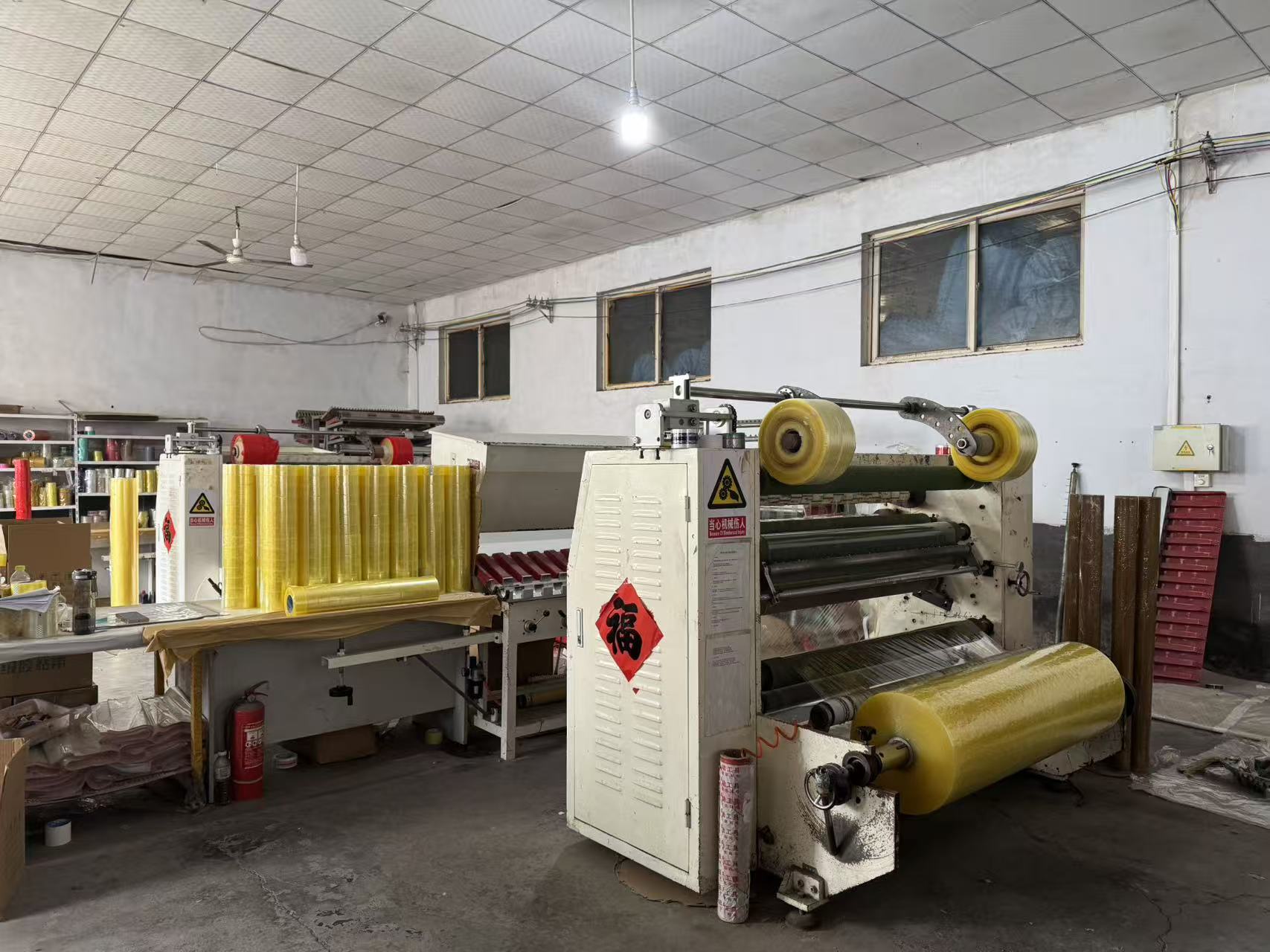
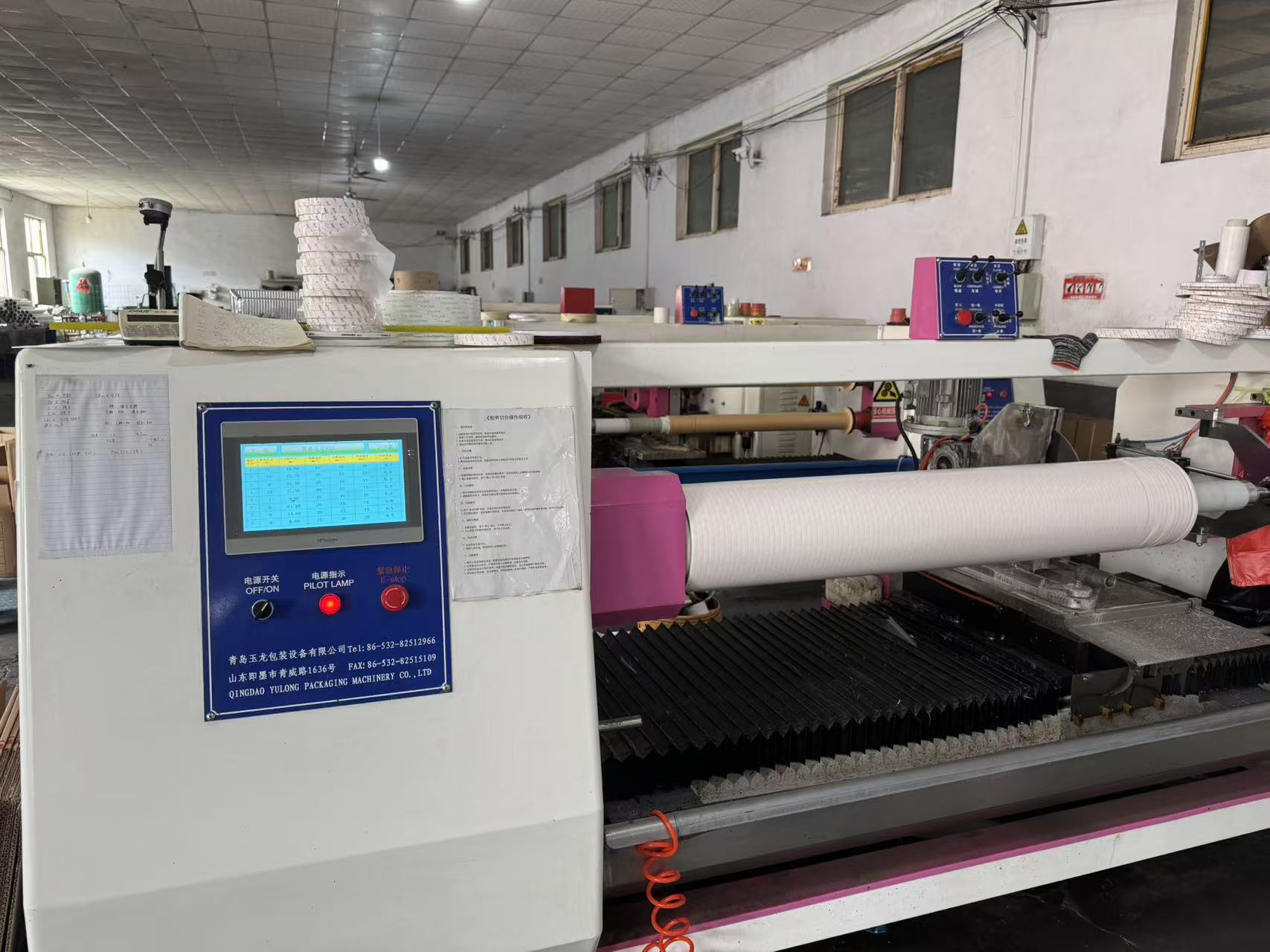
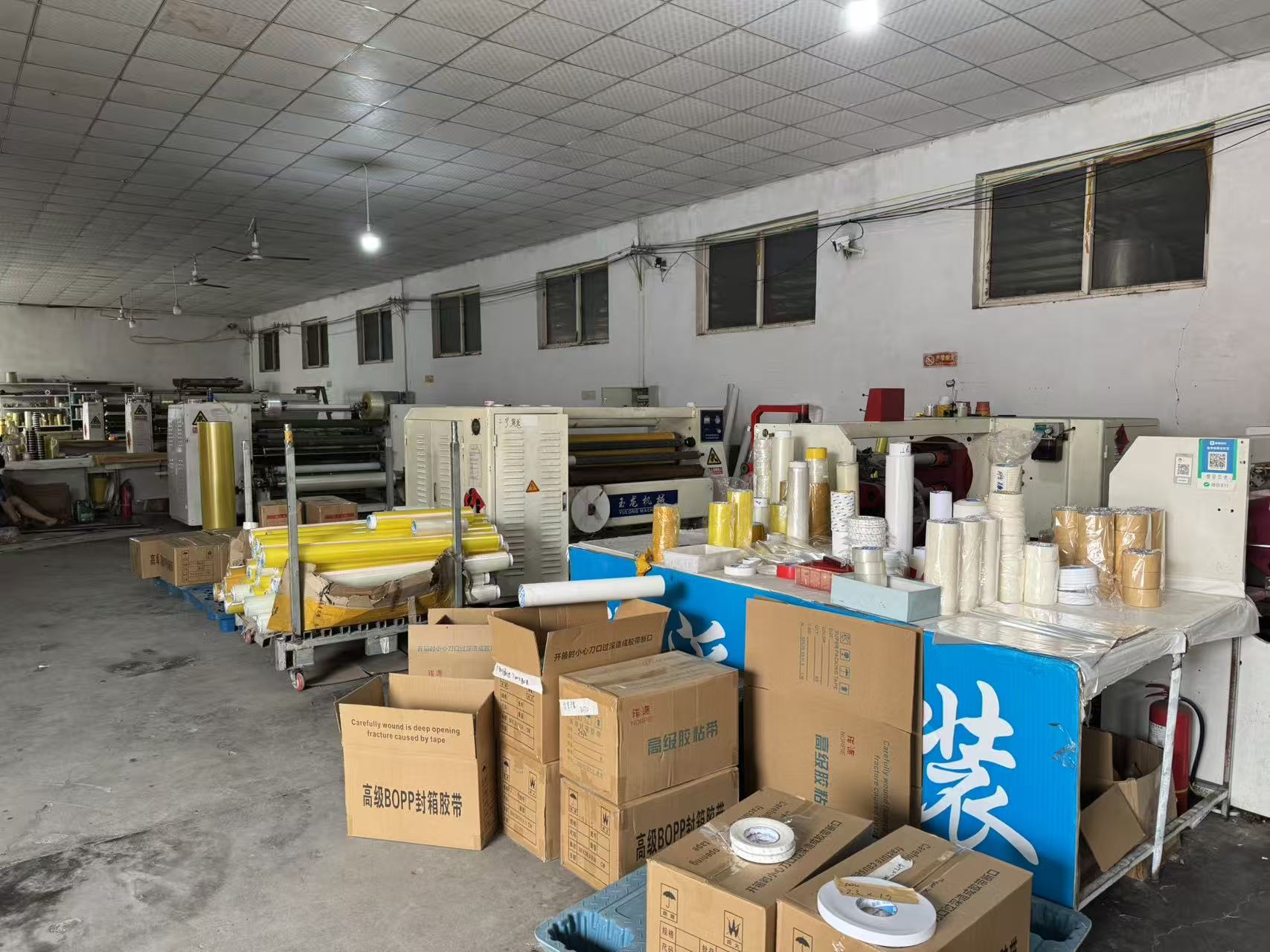
Our adhesive production factory adopts multiple measures to resist market risks brought by raw material volatility. The factory signs long-term supply contracts with several top raw material suppliers. Long-term cooperation agreements lock procurement prices for key materials, and effectively reduce the cost fluctuation risks of industrial adhesive tape manufacturing.

The factory’s R&D team optimizes production formulas continuously. The R&D team reasonably adjusts raw material proportion under the premise of guaranteeing product performance, and reduces the consumption of high-cost chemical materials. The factory also builds standardized raw material warehouse, sets up reasonable safety inventory to avoid passive procurement during raw material price peaks.

Transparent information communication is adopted in all cooperation links. The factory regularly shares raw material market trends with global partners, and provides reasonable order arrangement suggestions. Reasonable advance ordering helps overseas buyers avoid the peak price period of raw materials, and realize stable procurement of industrial adhesive tape manufacturing products.

Industry Outlook for the Second Half of 2026

Industry analysts predict raw material prices will maintain a volatile trend in the second half of 2026. Geopolitical risks and energy transformation will continue to bring uncertainties to petrochemical markets. The market will accelerate the elimination of small factories lacking raw material bargaining power and technical capability.

The competition of industrial adhesive tape manufacturing will shift from simple price competition to supply chain strength competition. Factories with stable raw material channels, independent formula R&D capacity and strict quality control system will gain more long-term cooperation opportunities with global B2B purchasers.

Our adhesive production factory will keep tracking raw material market dynamics in real time. The factory will continue optimizing production processes and supply chain layout, maintain stable product quality and reasonable quotation, and provide reliable continuous supply services for all global partners engaged in industrial adhesive tape manufacturing procurement.

Related News
Leave me a message
X
We use cookies to offer you a better browsing experience, analyze site traffic and personalize content. By using this site, you agree to our use of cookies.Privacy Policy
RejectAccept