News

​Is carton sealing tape the same as packing tape?

2026-10-21 0 Leave me a message

On packaging purchase orders, “carton sealing tape” and “packing tape” are often treated as interchangeable. For frontline packers, the mixed usage rarely causes operational problems. At the industry level, however, the two terms do not fully overlap—and this subtle distinction is being amplified by the scale of e-commerce logistics, the automation of carton-sealing equipment, and tightening sustainability regulation.


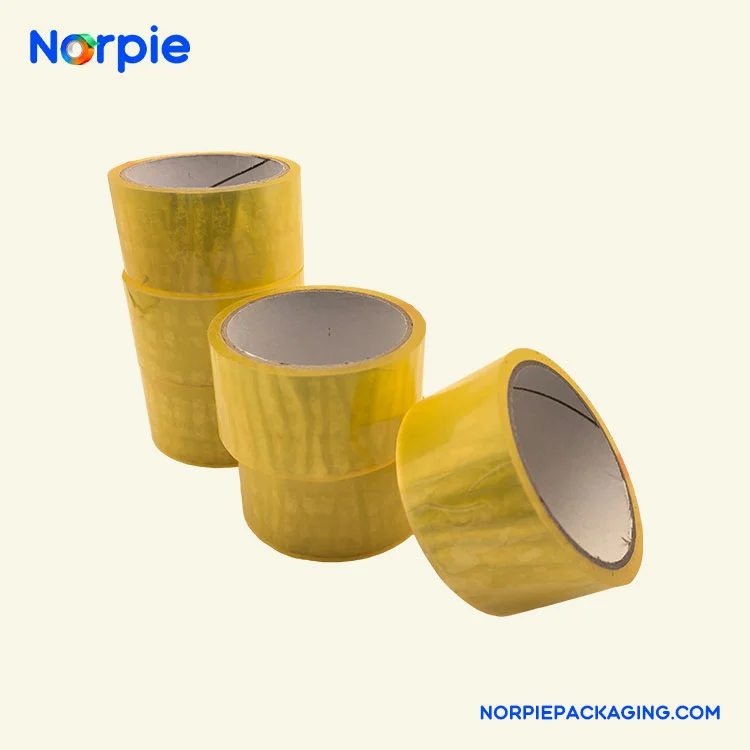
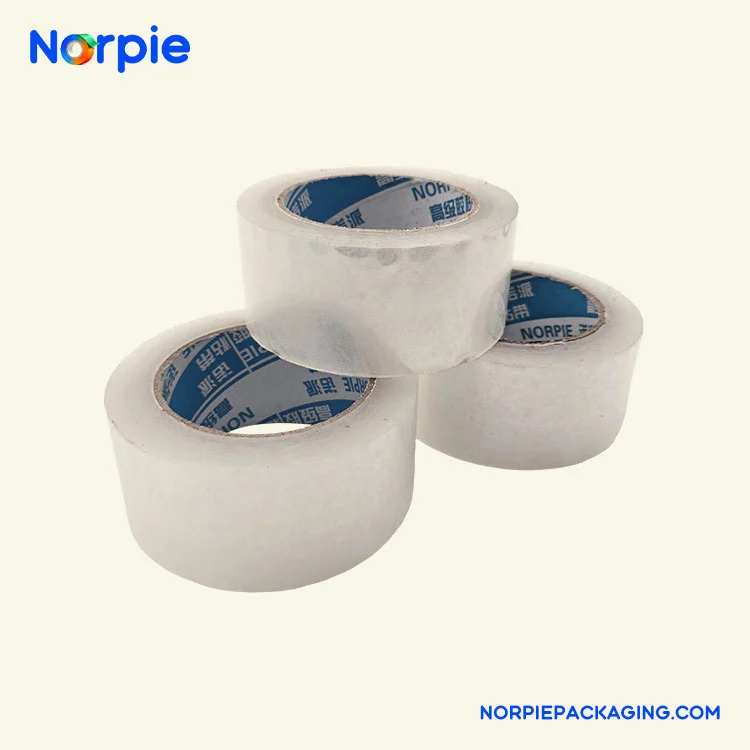
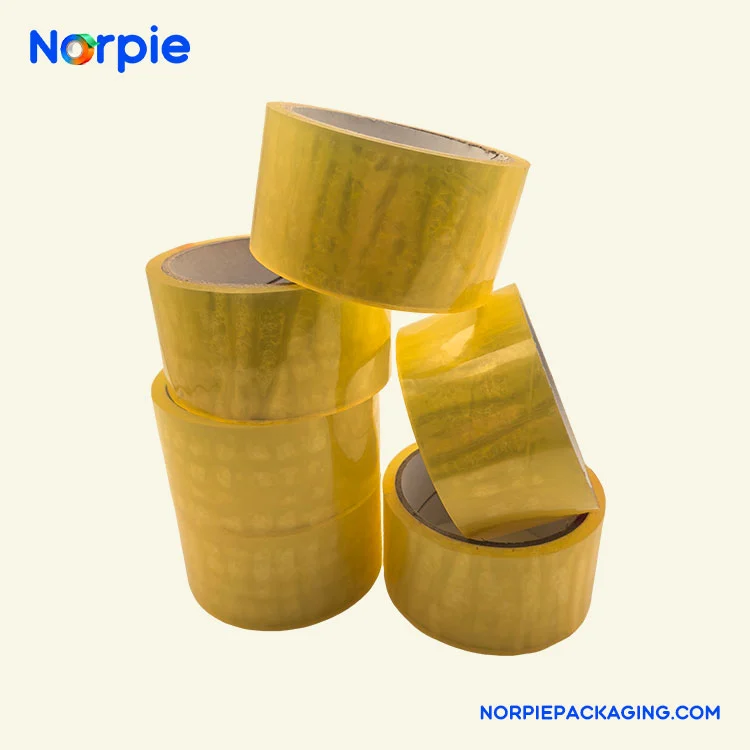
By definition, packing tape is an umbrella term referring broadly to tapes used for packaging, securing and closing various types of parcels; carton sealing tape specifically refers to pressure-sensitive adhesive tape used to seal corrugated cartons, and is the largest-volume, most standardized subcategory within the packing tape family. In industry materials, carton sealing tape is also commonly called box tape or shipping tape, and the three terms overlap heavily in actual transactions. In Chinese-language usage, the encyclopedic entry for carton sealing tape directly lists packing tape as a synonym, but the naming of the industry standard QB/T 2422—1998 BOPP Pressure-Sensitive Adhesive Tape for Carton Sealing already draws a boundary: it points to BOPP-based pressure-sensitive tape used in carton-sealing scenarios, not to all packaging tapes.


This terminological tension is not a word game; it corresponds to a clear path of product differentiation. Current mainstream carton sealing tape uses biaxially oriented polypropylene (BOPP) film as its backing, and nearly all differences are determined by the adhesive. Hot melt adhesives, formulated with synthetic rubber and resin, achieve extremely high initial tack, gripping cartons instantly on high-speed automatic carton-sealing machines and wetting rougher corrugated surfaces made from recycled pulp more effectively; they are suitable for heavy-duty, long-distance transport and high-speed production lines. Water-based acrylic adhesives have slower initial tack but outstanding UV resistance and aging resistance, remaining transparent and non-peeling after long-term storage, making them better suited to cartons that need to be displayed or stored for extended periods. Natural rubber adhesives retain an irreplaceable gripping advantage on low-temperature cold-storage surfaces and heavily contaminated surfaces, but their weather-resistance shortcomings are equally obvious.


The cost of choosing the wrong adhesive is being magnified by logistics environments. High-speed carton-sealing machines in e-commerce fulfillment centers require stable unwinding force and instant bonding capability; temperature swings in cross-border transport and multi-layer pallet stacking test holding power and shear resistance. A packaging company executive, citing a market report, noted that the global packing tape market is expected to grow from US$22.8 billion in 2023 to US$36.5 billion in 2033, at a compound annual growth rate of about 4.8%, and carton sealing tape is the core category directly tied to carton consumption. Another set of data using a narrower scope shows that the global carton sealing tape market was valued at about US$1.7 billion in 2025 and is expected to reach US$2.3 billion by 2032, with Asia-Pacific being the largest regional market. The difference in scope itself also shows that when discussing the “packing tape market,” the statistical boundary often covers carton sealing, bundling, masking and other categories; while the carton sealing tape market is more concentrated and more directly exposed to e-commerce carton volumes and the penetration of automated carton sealing.


Automation is currently the most certain growth driver. In 2024, tape sealing systems accounted for more than half of the automatic case erector and sealer market; the expansion of e-commerce warehouses in North America directly pushed up tape consumption per carton, and new production lines generally specify hot melt tape to meet the “instant grip” rhythm. At the same time, sustainability regulation is turning from a marginal issue into a procurement clause. The EU’s Packaging and Packaging Waste Regulation (PPWR) has entered its application phase as of August 2026, and packaging adhesive suppliers are required to provide compliance documents; tape recyclability, compatibility with mono-material packaging, and VOC emissions from production are beginning to enter brand owners’ supplier evaluation forms. Hot melt tape has an advantage in VOC control due to solvent-free coating processes, while water-activated kraft paper tape is growing faster in high-end logistics scenarios thanks to its recyclability and tamper-evident properties. M&A activity is also echoing this shift: since 2025, Nautic Partners acquired Berry Specialty Tapes, and Zeus Group successively brought Empire Tapes and Rio Tinto Plásticos into its system, with integration directions all pointing toward specialty tape and sustainable packaging capabilities.


Returning to the original question: carton sealing tape and packing tape may be interchangeable on the shelf, but they should not be simply equated in procurement decisions. If the use is to seal standard corrugated cartons, carton sealing tape is the correct product category; but within this category, the choice between hot melt and acrylic adhesive, the matching of backing thickness to carton weight, and tape compatibility with automatic carton-sealing machines are the real variables that determine whether “a carton of goods can arrive intact.” As e-commerce logistics pushes every carton into high-speed sorting and long-distance transfer chains, “carton sealing tape” is moving from a vague generic consumable to an industrial component that requires precise selection by scenario, equipment and compliance requirements.

carton sealing tape

Related News
Leave me a message
X
We use cookies to offer you a better browsing experience, analyze site traffic and personalize content. By using this site, you agree to our use of cookies. Privacy Policy
RejectAccept