1.Product Overview
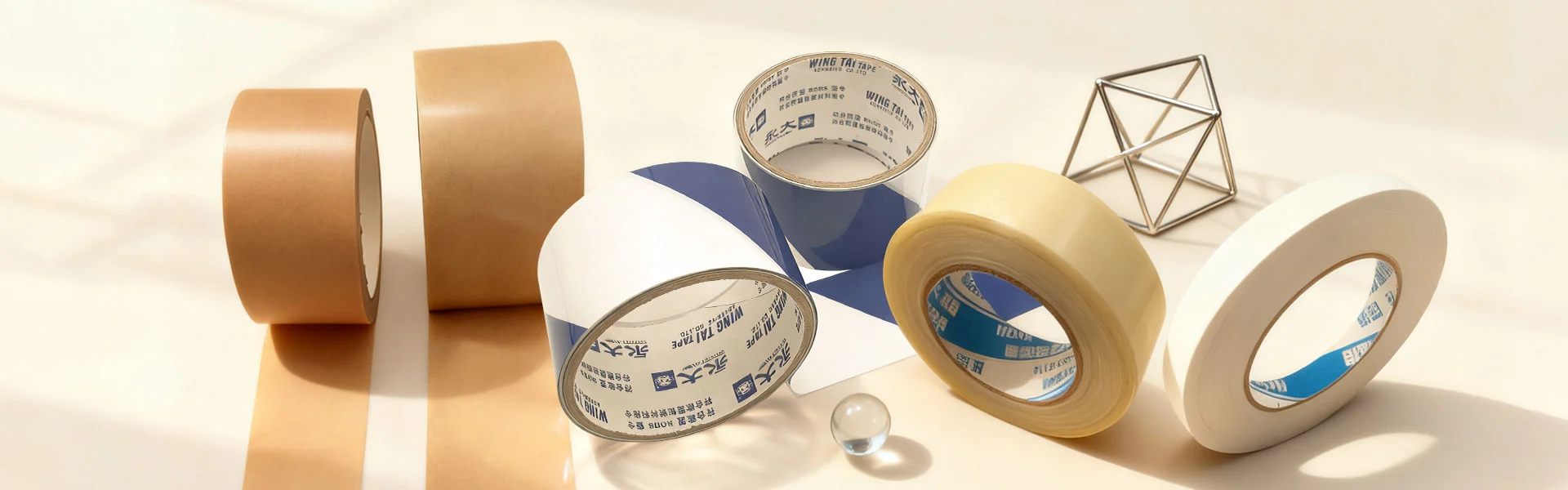
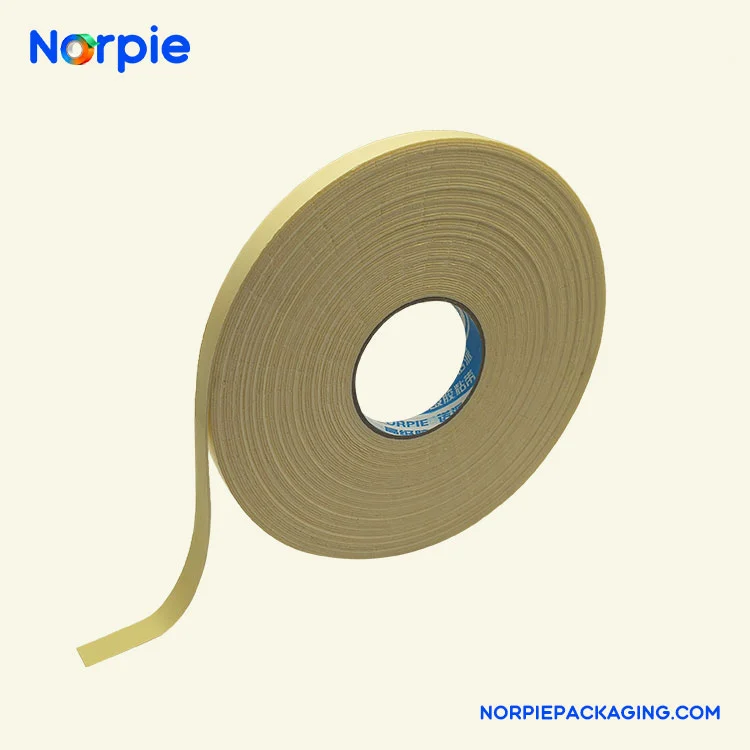
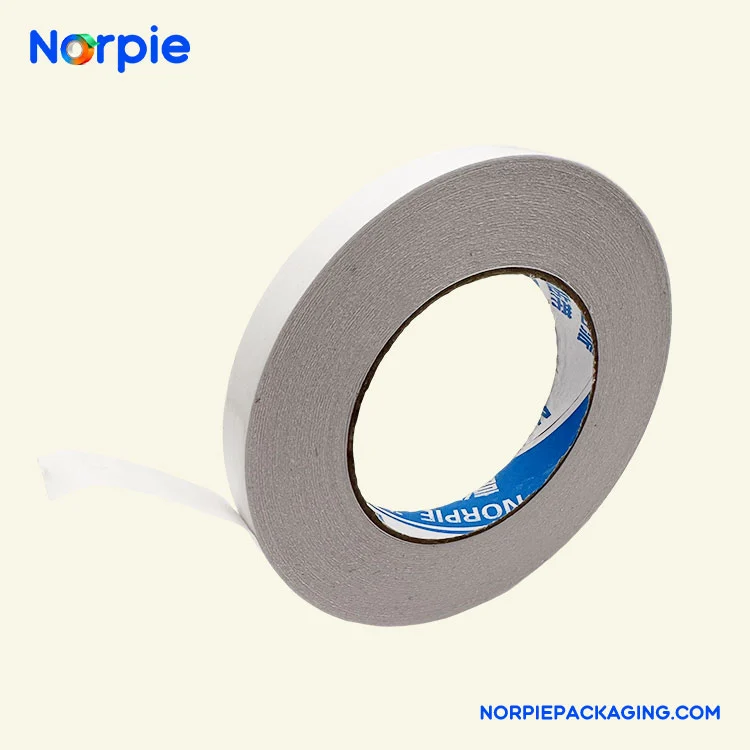
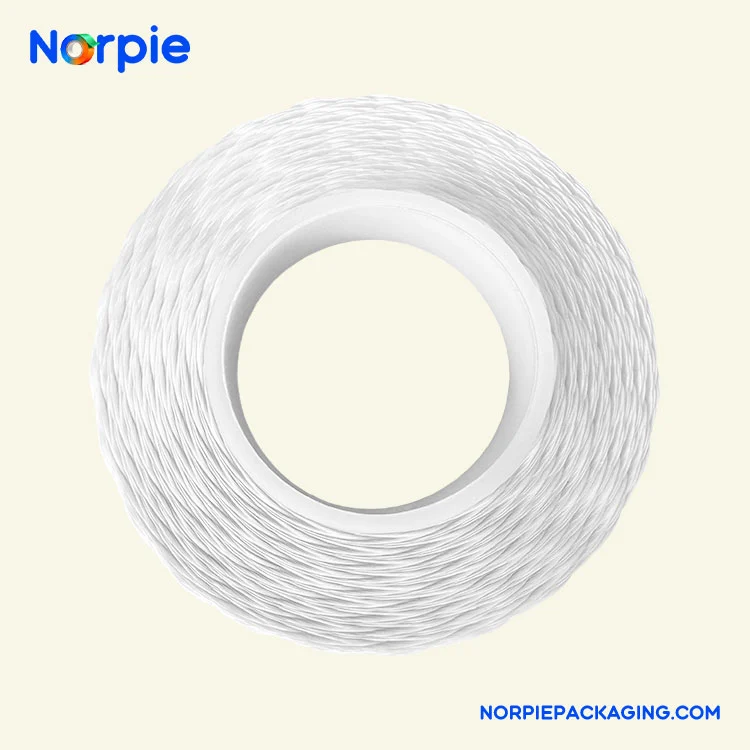
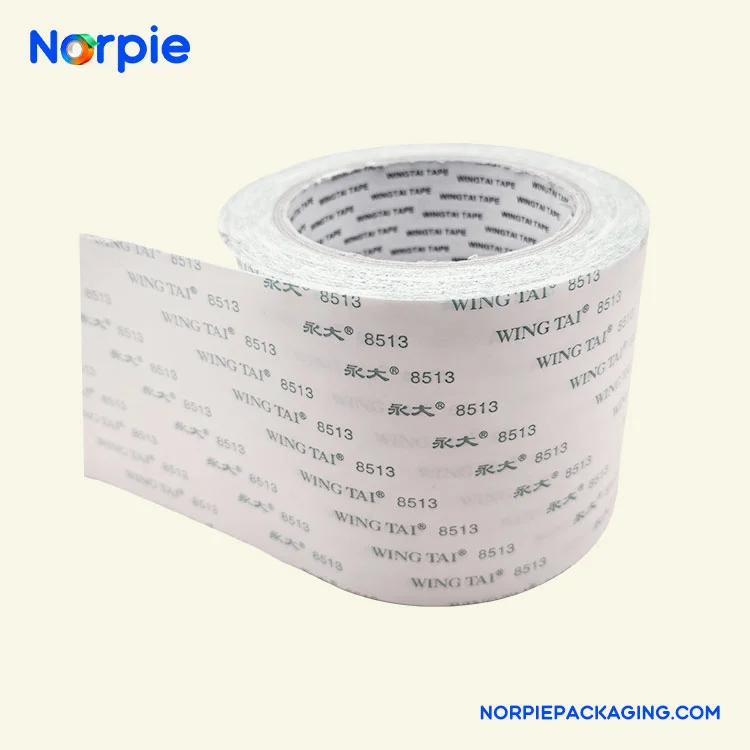
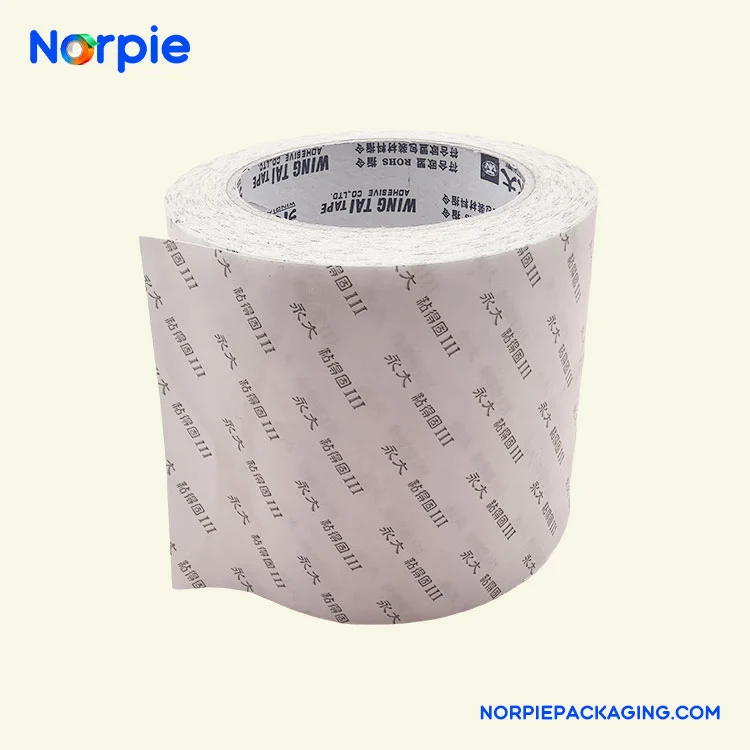
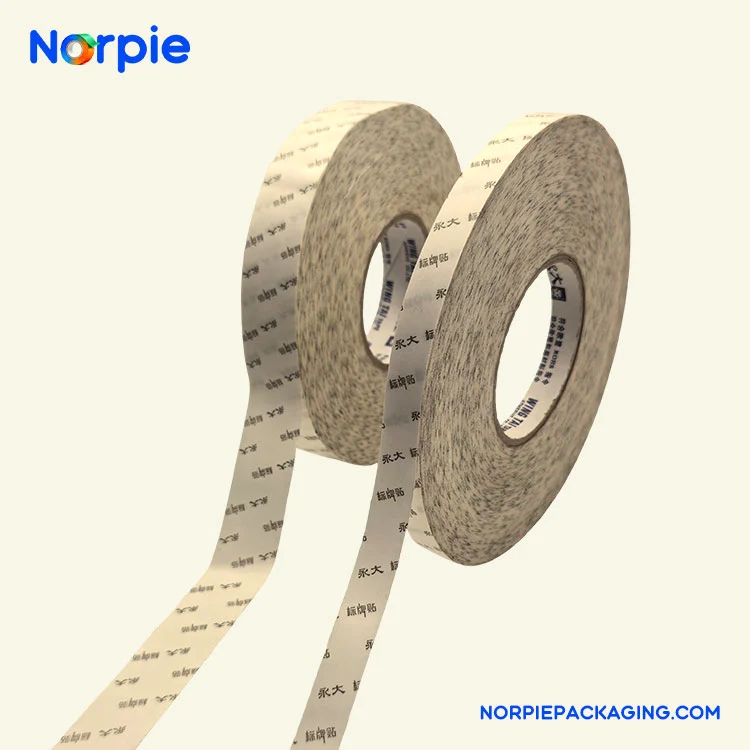
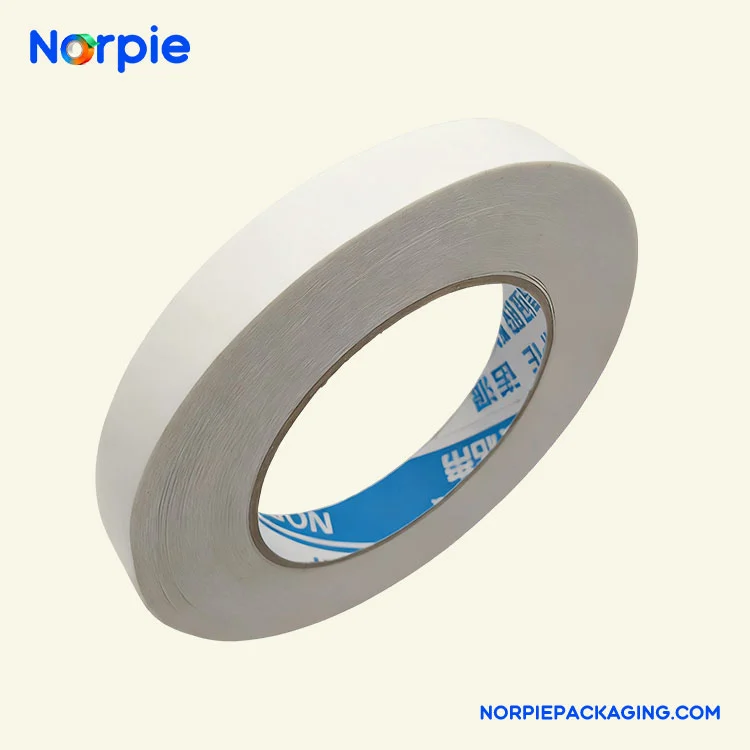
Double-sided tape, full name double-sided tape, is a kind of tape coated with high performance pressure-sensitive adhesive on both surfaces of the substrate (such as non-woven cloth, film, foam, etc.).
Core Structure: usually consists of three parts
Release Paper/Film: protects the adhesive surface and is removed during use. Common types include single-sided and double-sided release.
Base Material: the skeleton of the tape determines the thickness, flexibility, tensile strength and other basic physical properties of the tape.
Adhesive: The core function is to bond. The viscosity, temperature resistance, and weather resistance vary depending on the composition.
How it Works: With a slight press, the adhesive creates an adhesive force with the surface of the object to be glued, thus firmly bonding the two objects together.
Main Features: easy to use, fast bonding, no need to wait for curing like liquid glue, clean and stain free, stress distribution is uniform.
2.What are the types
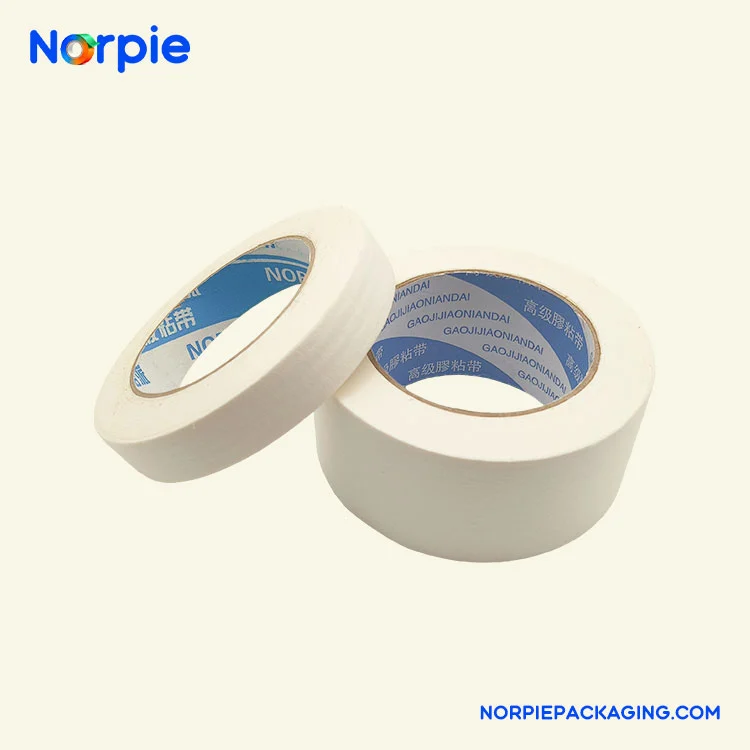
Our products mainly fall into these categories: Oil-based Double Sided Tape, Hot Melt Double Sided Tape, Embroidery Double Sided Tape, etc.
There are many kinds of double-sided tape, according to the different substrate and adhesive, can be divided into the following categories:
1. Non-woven fabric base double-sided tape
Base Material: non-woven material.
Features: moderate thickness, good flexibility, smooth adhesion, not easy to deform. It is the most common and universal type.
Common Applications: stationery and office supplies, home decoration (such as hooks, photo walls), gift packaging, car interior, trademark adhesion, etc.
Representative: Most of the most common "double-sided tape" on the market belong to this category.
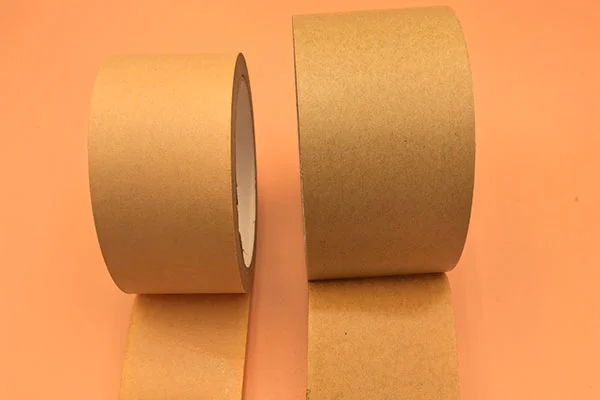
2. Paper-based double-sided tape
Substrate: use kraft paper or cotton paper.
Features: easy to tear, easy to process, cheap, but poor temperature resistance and waterproof.
Common application: mainly used on the back of masking tape for shielding and protection during spraying and baking.
3. PET substrate double-sided tape
Substrate: polyester film.
Features: thin material, high strength, good temperature resistance, high transparency, chemical corrosion resistance.
Common applications: electronic products (such as mobile phone, tablet screen, battery, housing fixation), nameplate, film switch, glass bonding, etc.
4. Foam base double-sided tape
Base Material: acrylic or polyethylene foam.
Features: excellent buffering, sealing and filling performance, can fit irregular surfaces, strong adhesion.
Common Applications: construction industry (such as aluminum plate, stone, metal curtain wall bonding and sealing), automobile (such as trim strip, rain shield, license plate), home appliances (such as accessories installation), sound insulation and shock absorption.
3M VHB (Very High Bonding Strength) tape is a prime example of foam tape.
5. Acrylic vs. Rubber
This is classified by adhesive type:
Acrylic Adhesive: Excellent comprehensive performance, weather resistance (high temperature, low temperature, aging resistance), excellent solvent resistance, long-term use is not easy to turn yellow. It is the mainstream of high-performance double-sided adhesive.
Rubber Adhesive: high initial adhesion, fast bonding speed, but sensitive to temperature and solvent, may age and remove rubber for a long time, relatively cheap price. Mostly used in some daily applications that do not require high durability.
3.How to choose
Choosing the right double-sided tape is key to successful bonding. You can follow these steps to consider:
(1)Consider the material to be bonded
Surface Energy: This is one of the most important factors.
High Surface Energy Materials (such as metal, glass, ceramic, ABS plastic): easy to bond, most double-sided tape is suitable.
Low Surface Energy Materials (e.g., polyethylene PE, polypropylene PP, silicone, Teflon) are extremely difficult to bond and require specialized adhesives such as modified acrylic adhesives.
Surface Roughness: Rough or porous surfaces (such as cement walls, wood) require thicker, more filling tape, such as foam tape.
(2)Consider the environment
Temperature: Will the adhesive be exposed to high or low temperatures after bonding? The temperature range of the adhesive must be selected to cover the temperature of the environment in which it is used.
Humidity/Water/Chemicals: Is waterproofing or solvent resistance required? Outdoor use requires excellent UV and aging resistance. Acrylic glue is generally superior to rubber glue in this regard.
Indoor or Outdoor: Outdoor applications require high weather resistance.
(3)Consider the stress
Adhesive method:
Permanent Bonding: requires high-strength, durable tape, such as VHB foam tape.
Temporary Adhesive: Use tape with moderate initial tack that removes without residue, such as some double-sided adhesive for non-woven fabric.
Force type:
Shear Force: the force of two objects sliding parallel to each other (such as a hook on a wall). Foam tape is very resistant to shear force.
Peeling Force: the force to tear from the edge (such as tearing a delivery box). The tape needs to have good toughness and initial adhesion.
Load-Bearing: How heavy is the object to be bonded? The heavier the weight, the larger the bonding area required, or the stronger the adhesive tape needs to be selected.
(4)Consider other special requirements
Thickness and Filling Gap: Need to fill the gap between two surfaces? Foam tape is the ideal choice.
Appearance: Do you want it to be transparent, white, or black? The visibility of the tape will affect the appearance.
Ease of Use: Does it require manual tearing? Does it need strong initial adhesion for quick positioning?
Summarize the selection process:
Select the Base Material: What should you stick to? (Plastic, metal, glass, wallpaper?)
Specify the Environment: indoor, outdoor, high temperature, or humid?
Analyze the Force: How much force is required? Is it permanent bonding?
Comprehensive Selection: Based on the above three points, select the base material type (foam, non-woven fabric, PET) and adhesive type (acrylic, rubber).
One Final Tip: If you're not sure, the best way is to test it on a small area or unimportant area, or consult us, who can give you professional advice.