News

How does warning tape improve workplace safety and hazard control?

2026-04-22 0 Leave me a message

Article Abstract

Warning tape is a fundamental yet often underestimated safety tool used across construction sites, warehouses, factories, utilities, and public infrastructure projects. Its primary role is to visually communicate danger zones, restricted areas, and operational hazards in a fast, universally understandable way. This article explains how warning tape improves safety management, reduces workplace accidents, and supports regulatory compliance. It also explores different types of warning tape, practical applications, selection criteria, and common implementation mistakes. Whether you are managing a small facility or a large industrial operation, understanding how to properly use warning tape can significantly enhance operational safety and efficiency.

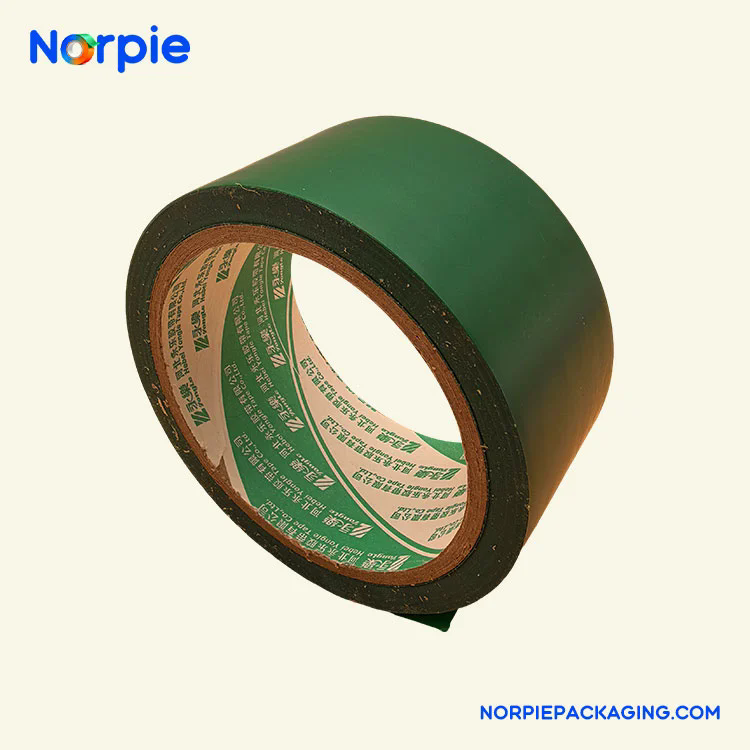
Pure Green Warning Tape

Table of Contents


Outline of Key Concepts

  • Definition and purpose of warning tape
  • Role in hazard communication systems
  • Color coding and standard meanings
  • Environmental and industrial usage scenarios
  • Material durability and performance considerations
  • Integration into workplace safety protocols

Why Warning Tape Matters in Modern Safety Systems

In fast-paced industrial environments, clear communication is critical. Warning tape acts as an immediate visual cue that helps workers and visitors recognize danger zones without requiring verbal instruction or signage interpretation. Unlike digital or written instructions, tape is universally recognizable and effective even in noisy, low-visibility, or high-pressure environments.

Its importance lies in three key functions: prevention, guidance, and compliance. First, it prevents unauthorized access to hazardous areas. Second, it guides traffic flow within facilities, ensuring smooth operational movement. Third, it supports compliance with workplace safety standards by clearly marking risk zones such as electrical hazards, construction boundaries, and chemical storage areas.


Types of Warning Tape and Their Functions

Different environments require different types of warning tape. Selecting the right type ensures durability, visibility, and effectiveness.

  • Non-adhesive barricade tape: Used for temporary crowd control and outdoor hazard marking.
  • Adhesive floor marking tape: Designed for warehouses and industrial floors to indicate pathways and restricted zones.
  • Reflective warning tape: Enhances visibility in low-light environments such as tunnels or nighttime construction sites.
  • Hazard-specific printed tape: Includes text such as “Caution,” “Danger,” or custom safety messages.

Each type serves a specific operational requirement, and selecting the wrong type can reduce safety effectiveness and increase accident risk.


Industrial and Commercial Applications

Warning tape is widely used across industries due to its versatility and cost-effectiveness. Below are common applications:

  • Construction site perimeter control
  • Warehouse aisle marking and forklift lanes
  • Electrical hazard identification
  • Pipeline and underground utility marking
  • Event crowd control and restricted access areas

In logistics centers, for example, floor marking tape helps reduce collisions between personnel and machinery. In construction environments, barricade tape prevents unauthorized entry into active work zones, reducing liability risks and injuries.


How to Choose the Right Warning Tape

Selecting the correct warning tape involves evaluating environmental conditions, durability requirements, and visibility needs. The following table outlines key selection criteria:

Factor Consideration Recommendation
Surface Type Concrete, metal, asphalt, or tile Choose adhesive strength accordingly
Environment Indoor or outdoor exposure Use UV-resistant materials outdoors
Traffic Level Foot traffic or heavy machinery High-durability industrial tape
Visibility Lighting conditions Reflective or high-contrast colors

By aligning tape specifications with operational conditions, organizations can ensure long-term safety effectiveness and reduce replacement costs.


Common Mistakes and How to Avoid Them

Despite its simplicity, warning tape is often misused. The following mistakes are frequently observed:

  • Using low-quality tape in high-traffic areas
  • Incorrect color coding leading to misinterpretation
  • Failing to replace worn or faded tape
  • Improper surface preparation before application

Avoiding these mistakes requires regular inspection, staff training, and adherence to standardized safety protocols. Proper installation is as important as selecting the right product.


Warning Tape Comparison Table

Type Durability Best Use Case Visibility
Barricade Tape Low Temporary outdoor control High
Floor Marking Tape High Warehouses and factories Medium to High
Reflective Tape Medium Low-light environments Very High

Best Practices for Implementation

Effective use of warning tape requires more than just application. It should be part of a broader safety management system. Key best practices include:

  • Establish clear color coding standards across the facility
  • Conduct routine inspections for wear and tear
  • Train employees on tape meanings and hazard recognition
  • Integrate tape usage with signage and digital safety systems

When combined with structured safety training and consistent enforcement, warning tape becomes a powerful preventive tool rather than a passive marker.


Frequently Asked Questions

1. What is the main purpose of warning tape?
It is used to visually indicate hazards, restricted areas, or operational boundaries to prevent accidents and improve safety awareness.

2. How long does warning tape last?
Durability depends on material type and environment, ranging from a few weeks for temporary tape to several years for industrial-grade floor marking tape.

3. Can warning tape be used outdoors?
Yes, but it must be UV-resistant and weatherproof to maintain visibility and adhesion.

4. What colors are commonly used?
Yellow, red, black-yellow stripes, and white-red combinations are standard depending on hazard type and regional regulations.

5. Is warning tape reusable?
Most adhesive and barricade tapes are single-use, while some heavy-duty marking systems can be repositioned depending on the product design.


Final Note

Effective hazard communication is a cornerstone of workplace safety. Warning tape remains one of the simplest yet most powerful tools to reduce accidents, guide operations, and maintain compliance across industries. Proper selection, application, and maintenance ensure maximum effectiveness and long-term value.

For high-quality solutions and customized industrial marking products, Norpie provides a wide range of options designed for durability and clarity. For professional guidance or product inquiries, contact us at Norpie to improve your facility’s safety systems today.

Related News
Leave me a message
X
We use cookies to offer you a better browsing experience, analyze site traffic and personalize content. By using this site, you agree to our use of cookies. Privacy Policy
Reject Accept