News

How to embroider double-sided tape correctly?

2026-02-26 0 Leave me a message

I. Two Main Applications of Embroidery Double-Sided Adhesive

Auxiliary Embroidery/Textile Fixing: Used before embroidery to temporarily secure two layers of fabric (e.g., to enhance stiffness) or to hold small fabric pieces in appliqué embroidery, preventing them from slipping during sewing.

Finished product application: This method applies completed embroidery items (e.g., appliqués, arm patches) to surfaces like clothing, bags, or notebooks.

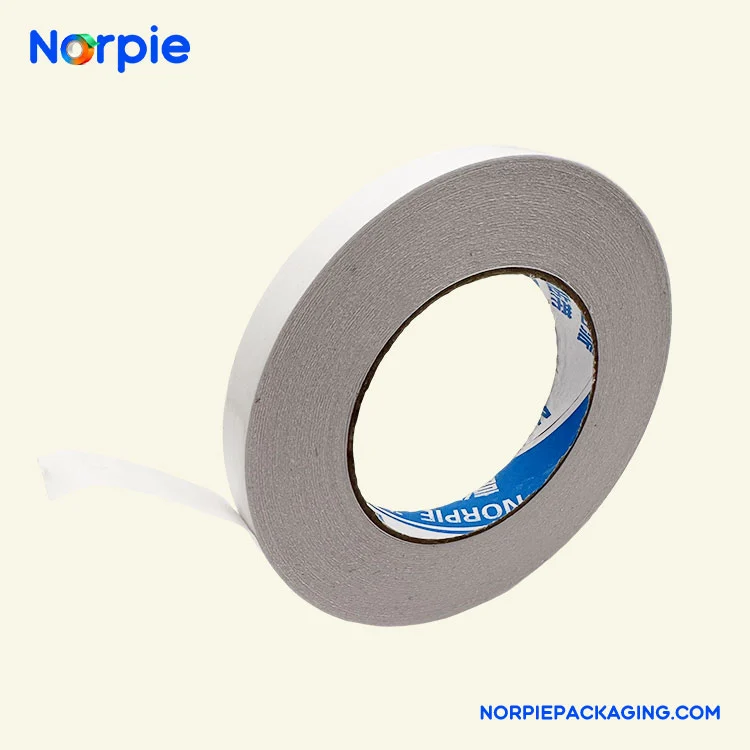
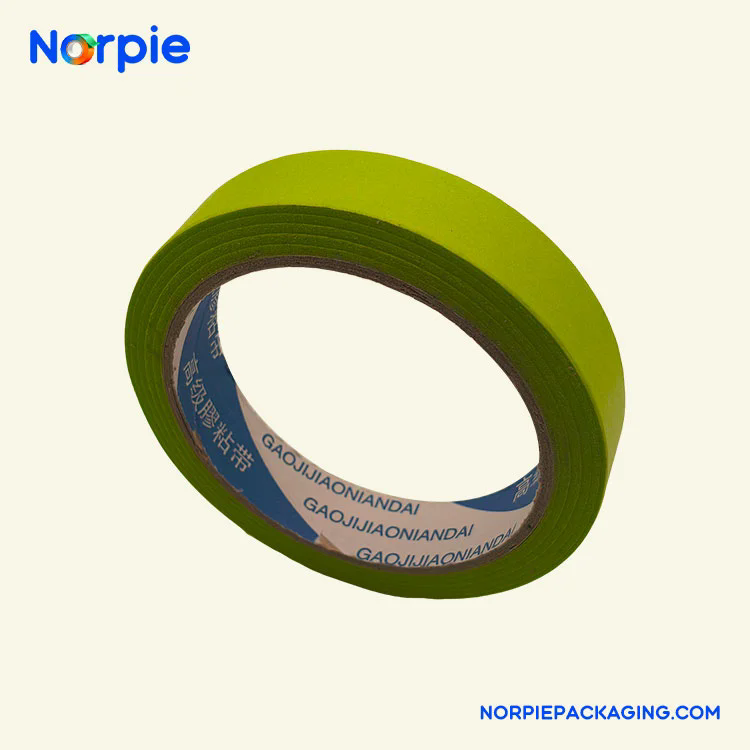
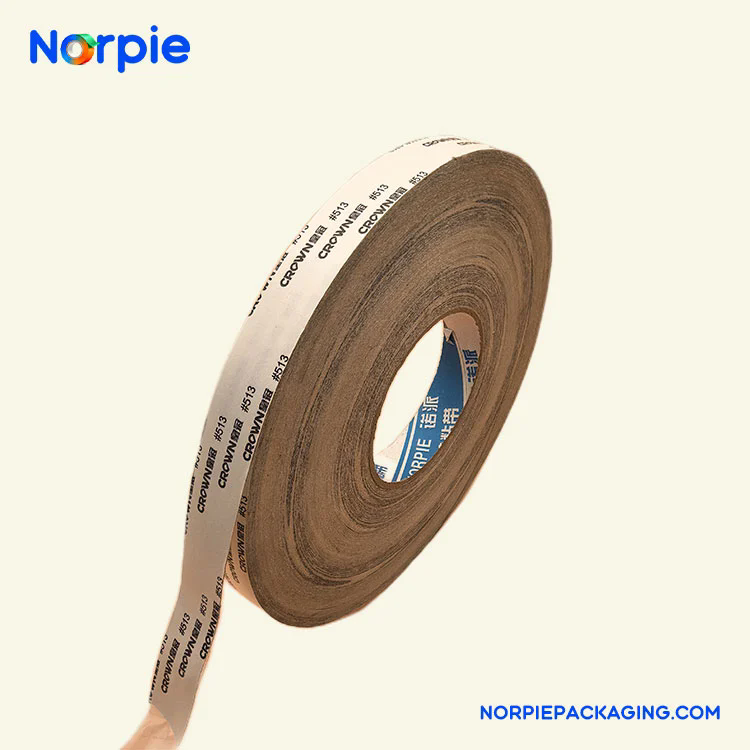
embroider double-sided tape

II. Operational Guidelines for Auxiliary Embroidery and Fabric Finishing

This method mainly utilizes the temporary fixation and hardness enhancement properties of double-sided tape to facilitate the embroidery process.

Usage steps:

Prepare and crop:

Cut the fabric to the required size based on the embroidery pattern or garment pattern. The fabric should generally be slightly larger than the actual embroidery or garment to allow for edge allowance.

Use double-sided tape to cut the fabric into the desired shape. For large-area bonding, cut it into strips or blocks; for intricate shapes, first cut out paper patterns and then cut the tape according to them.

Layered ironing (key step):

Lay the base cloth: Place the first layer of base cloth on the ironing board.

Apply double-sided tape: Cover the base fabric with the cut double-sided tape.

Cover the second layer of cloth with double-sided tape.

Ironing: Use a high-temperature flat iron without steam. Ensure the iron covers all areas to melt the double-sided adhesive, firmly pressing the two layers of fabric together without causing surface bubbles.

Subsequent embroidery:

The properly pressed fabric will become stiff and less prone to deformation. At this stage, water-soluble adhesive can be applied, followed by the application of embroidery backing, and the embroidery process can commence.

Tip: This fabric, bonded with double-sided tape, significantly enhances its stiffness, making it ideal for crafting one-piece gold-inlaid borders or European embroidery pieces that require a firm, rigid finish.

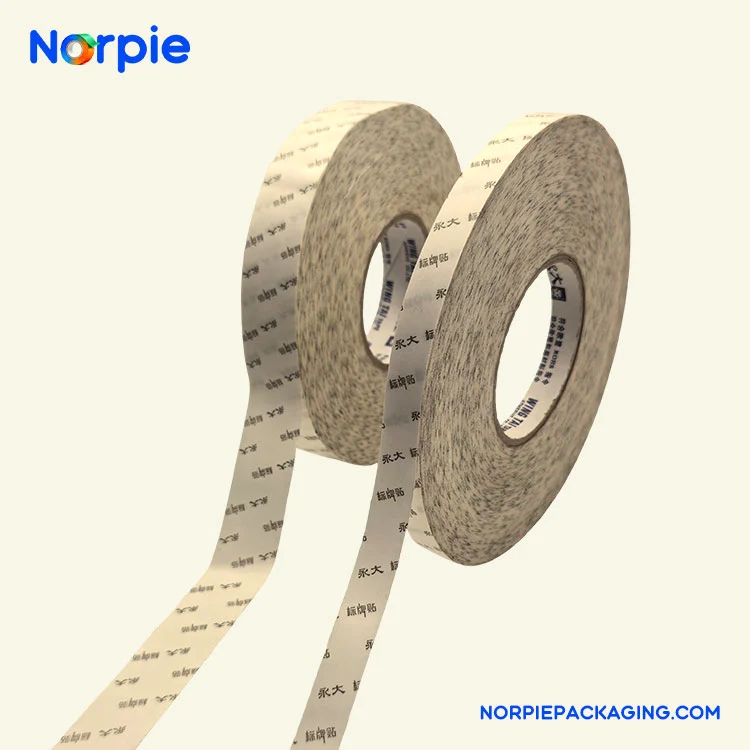
embroider double-sided tape

III. Summary of Selection and Cleaning Techniques

Selection Tips: Assessing Adhesion and Adhesive Properties

No residue: High-quality handmade double-sided adhesive (such as certain high-adhesive oil-based formulas) should leave no traces after removal, without damaging the fabric or leaving black marks on it.

Hand-tearable design: For embroidery positioning tape, it is recommended to select products with soft texture, transverse texture, hand-tearability, and neat edges, as this facilitates operation without the need to search for scissors.

Transparent vs White: Apply to transparent or light-colored fabric. Choose transparent options to prevent color leakage from the adhesive tape from affecting the appearance.

Cleaning tips:

Removal of residual adhesive: If adhesive residue remains after tape removal, the residual adhesive can be softened by blowing it with the low-temperature setting of a hairdryer, followed by gentle rubbing or tearing. Alternatively, a cotton swab dipped in a small amount of alcohol or mentholated oil can be used for wiping (test for discoloration in an inconspicuous area first).

IV. General Precautions

Clean surface: Whether you are sticking or ironing, make sure the surface is clean, dry, dust-free and oil-free, otherwise it will affect the adhesion.

Uniform pressure: When ironing or pressing, ensure even pressure to allow the adhesive to fully contact the surface, avoiding bubble formation that may cause localized hollowing.

Test compatibility: Before formal use, especially with the ironing method, it is recommended to first test the heat resistance and whether there is adhesive left after peeling off on an inconspicuous spare piece of fabric or the inner corner of a garment.

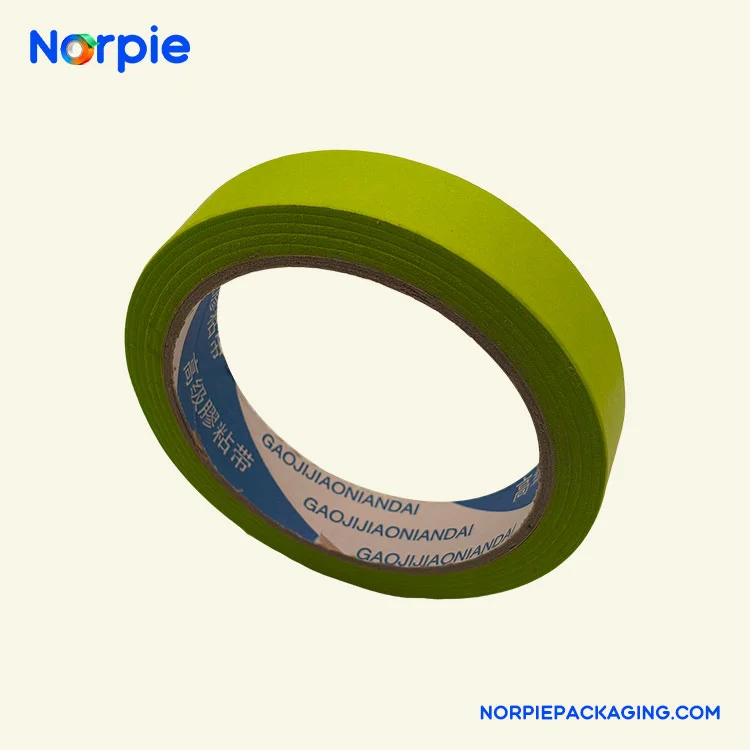
embroider double-sided tape

Related News
Leave me a message
X
We use cookies to offer you a better browsing experience, analyze site traffic and personalize content. By using this site, you agree to our use of cookies. Privacy Policy
Reject Accept